
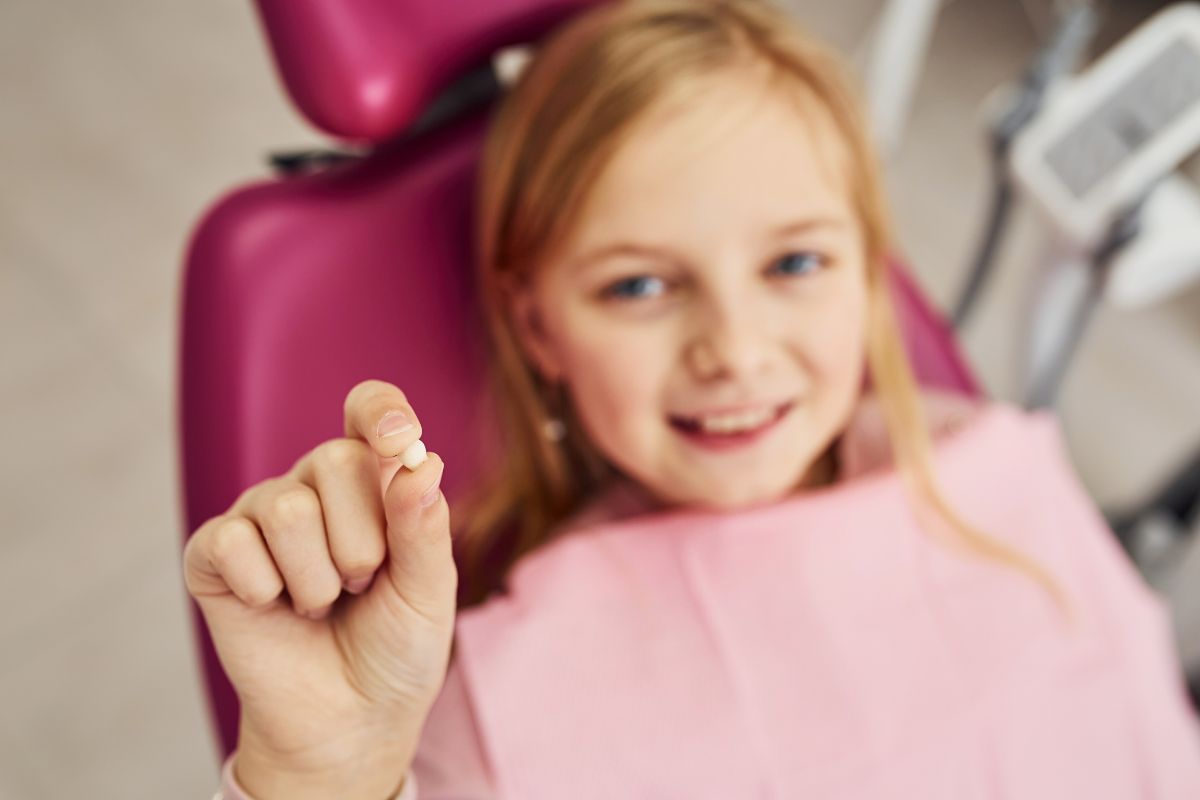
It happens fast.
One minute your child is running across the playground, jumping at soccer practice, or roughhousing with siblings in the backyard. The next, there are tears, panic, and a chipped or broken tooth.
For parents, dental injuries can feel overwhelming in the moment — especially when there is bleeding involved or your child is scared. The good news is that many broken teeth can be treated successfully when parents act quickly and calmly.
Knowing what to do right away can help protect your child’s tooth and reduce the chances of further damage.
If your family ever faces a dental emergency, having access to trusted emergency dental care for kids can make the situation much less stressful.
First: Stay Calm and Check the Injury
Children often react based on how adults respond. Even if the injury looks serious, staying calm helps your child feel safer.
Start by checking:
- Is the tooth chipped, cracked, or completely broken?
- Is there bleeding from the gums or lips?
- Does your child complain about pain?
- Is the tooth loose?
- Did the tooth come out completely?
If there is swelling or bleeding, use a clean cloth or gauze and apply gentle pressure.
Rinse the Mouth Carefully
Use warm water to gently rinse your child’s mouth and remove dirt or blood around the area.
Avoid scrubbing the injured tooth or gums. If the tooth is sensitive, keep the rinse gentle and short.
For swelling around the mouth or jaw, placing a cold compress on the outside of the cheek can help reduce discomfort.
Try to Find the Broken Tooth Piece
If part of the tooth broke off, try to locate it if possible.
Sometimes dentists may be able to use the fragment during treatment depending on the type of injury.
Place the piece in a clean container with milk or saliva and bring it with you to the appointment.
Baby Tooth vs Permanent Tooth: Why It Matters
Treatment often depends on whether your child injured a baby tooth or an adult tooth.
If It Is a Baby Tooth
Dentists usually focus on protecting the surrounding gums and developing adult tooth underneath.
In some situations, monitoring may be enough. In others, treatment may be necessary if the nerve is affected or the tooth becomes infected.
If It Is a Permanent Tooth
Permanent teeth require immediate attention because damage can become long-term if left untreated.
A cracked or broken adult tooth may need bonding, a crown, or additional treatment depending on the severity.
What If the Tooth Gets Knocked Out Completely?
A knocked-out permanent tooth is considered a dental emergency.
If this happens:
- Pick the tooth up carefully by the crown, not the root
- Gently rinse dirt away if needed
- Try placing the tooth back into the socket if possible
- If not, store it in milk
- Contact a pediatric dentist immediately
Quick action can sometimes help save the tooth.
However, baby teeth should usually not be placed back into the socket because doing so may damage the developing permanent tooth underneath.
Common Causes of Broken Teeth in Kids
Parents are often surprised by how many everyday activities can lead to dental injuries.
Some of the most common causes include:
- Playground accidents
- Sports injuries
- Falling off bikes or scooters
- Slipping near pools
- Tripping while running indoors
- Chewing hard objects like ice
Active children naturally experience bumps and falls, which is why preventive care matters so much.
Signs the Injury Needs Immediate Dental Attention
Even a small chip can sometimes hide deeper damage.
You should contact a dental office right away if your child has:
- Severe pain
- A loose permanent tooth
- Swelling in the gums or face
- Bleeding that will not stop
- Trouble biting down
- Sensitivity to temperature
- A darkening tooth after injury
Many parents searching for urgent pediatric dental care are unsure whether the injury is serious enough to call. When in doubt, it is always safer to have the tooth evaluated.
How Dentists Treat Broken Teeth in Children
Treatment depends on how severe the damage is.
Common treatments may include:
- Smoothing rough edges
- Tooth-colored bonding
- Dental crowns
- Monitoring the tooth over time
- Emergency stabilization
- Root canal treatment in severe cases
The goal is always to protect the tooth while keeping your child as comfortable as possible.
Families across Lawrence and nearby Long Island communities can get prompt care for dental injuries at Long Island Pediatric Dentistry.
Helping Your Child Feel Less Afraid
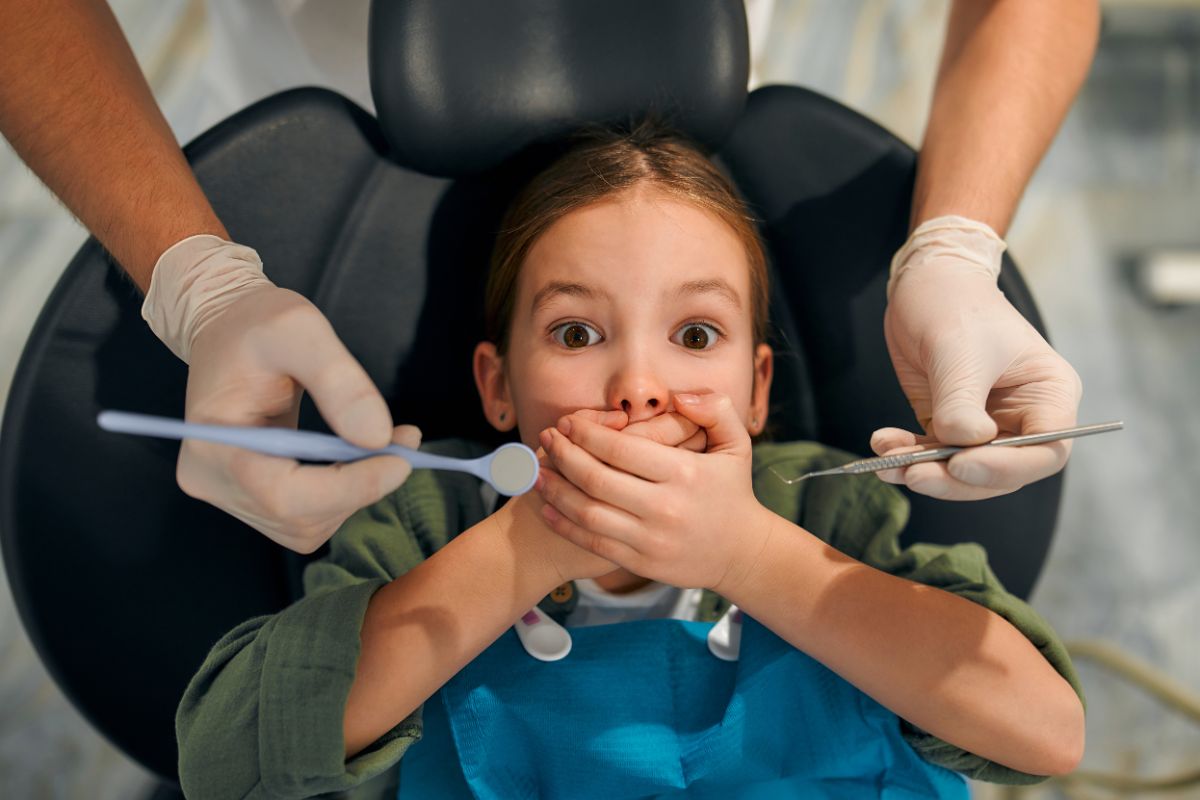
Dental injuries can be emotional for children, especially if they are already nervous about doctor visits.
Parents can help by:
- Speaking calmly
- Avoiding panic-filled reactions
- Reassuring them they are safe
- Explaining each step simply
- Bringing a comfort item if needed
Children usually respond better when they feel informed and supported.
Can Broken Teeth Be Prevented?
Not every accident can be avoided, but some injuries are preventable.
Parents can help reduce risks by:
- Using mouthguards during sports
- Making sure helmets fit properly
- Avoiding chewing on hard objects
- Teaching safe play habits
- Keeping up with routine dental visits
Protective mouthguards are especially important during contact sports and recreational activities.
Final Thoughts
A broken tooth can feel frightening in the moment, but quick action and professional care can make a major difference in protecting your child’s oral health.
Whether the injury is minor or more serious, knowing what steps to take first helps parents stay prepared and confident during an emergency.
If your child experiences a chipped, cracked, or broken tooth while playing, the team at Long Island Pediatric Dentistry is available to help families in Lawrence and nearby communities receive prompt, compassionate care. Scheduling an emergency visit quickly can help protect your child’s tooth and keep them comfortable during recovery.
FAQs
Should I take my child to the dentist for a small chipped tooth?
Yes. Even small chips can expose sensitive areas of the tooth or lead to future complications.
What should I do if my child breaks a tooth at night?
Rinse the mouth, control any bleeding, use a cold compress for swelling, and contact an emergency dentist as soon as possible.
Can a broken baby tooth heal on its own?
Baby teeth do not repair themselves, but some minor chips may only require monitoring.
How soon should a knocked-out permanent tooth be treated?
Immediately. Fast treatment gives the best chance of saving the tooth.
Are sports mouthguards really necessary for kids?
Yes. Mouthguards help reduce the risk of broken teeth and other oral injuries during sports and active play.
What if my child says the tooth does not hurt?
Some dental injuries do not cause immediate pain, so it is still important to have the tooth checked professionally.