

A healthy smile starts at home. While regular dental visits are important, what your child does every day—brushing, eating, and simple habits—plays the biggest role in keeping their teeth strong and cavity-free.
The good news? You don’t need complicated routines. With a few simple steps and consistency, you can help your child build lifelong oral health habits.
Why Early Dental Care Matters
Children’s teeth are more vulnerable to cavities than adult teeth. Enamel is thinner, and sugary snacks can quickly lead to decay if not managed properly.
Good oral care at home helps:
- Prevent cavities
- Support proper tooth development
- Build confidence with a bright smile
- Reduce the need for dental treatments later
Starting early makes everything easier as your child grows.
1. Build a Strong Brushing Routine
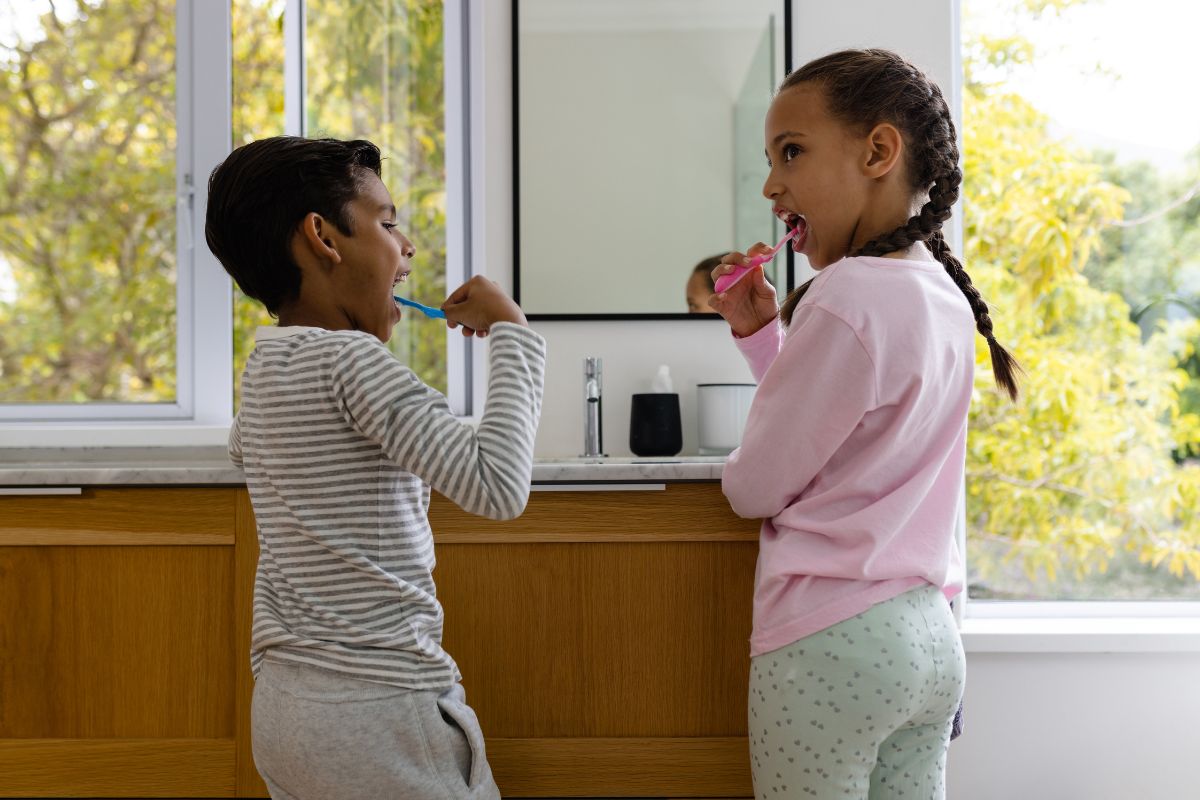
Brushing is the foundation of healthy teeth.
Make sure your child:
- Brushes twice a day (morning and before bed)
- Uses a fluoride toothpaste
- Brushes for at least 2 minutes
For younger kids:
- Use a soft-bristled toothbrush
- Supervise brushing to ensure they’re doing it correctly
A fun tip? Use a timer or play a favorite song to make brushing more enjoyable.
2. Don’t Skip Flossing
Flossing is just as important as brushing—especially once your child’s teeth start touching.
Flossing helps:
- Remove food stuck between teeth
- Prevent cavities in hard-to-reach areas
- Keep gums healthy
Start flossing your child’s teeth daily, and as they grow, teach them to do it on their own.
3. Watch the Sugar Intake
Sugar is one of the biggest causes of tooth decay in children.
Try to:
- Limit sugary snacks and drinks
- Avoid sticky candies that cling to teeth
- Offer healthier alternatives like fruits, cheese, or yogurt
Also, avoid frequent snacking throughout the day, as it gives bacteria more chances to produce harmful acids.
4. Encourage Drinking Water
Water is one of the simplest ways to protect your child’s teeth.
Benefits of drinking water:
- Washes away food particles
- Reduces acid buildup
- Keeps the mouth hydrated
If your local water supply contains fluoride, it can also help strengthen enamel.
5. Make Dental Care Fun
Children are more likely to stick to routines they enjoy.
You can:
- Let them pick their own toothbrush
- Use colorful or themed dental products
- Create a reward chart for consistent brushing
Turning oral care into a fun activity helps build positive habits early on.
6.Avoid Bedtime Bottles (for Younger Kids)

For infants and toddlers, falling asleep with a bottle can lead to “baby bottle tooth decay.”
To prevent this:
- Avoid giving milk or juice at bedtime
- If needed, use water instead
- Clean your child’s teeth or gums before sleep
This small step can prevent serious dental issues later.
7. Protect Teeth During Sports
If your child plays sports, protecting their teeth is essential.
Consider:
- Using a mouthguard during contact sports
- Teaching them to avoid chewing on hard objects
Preventing injuries is just as important as preventing cavities.
8. Lead by Example
Children learn by watching you.
If they see you:
- Brushing and flossing regularly
- Making healthy food choices
- Taking dental care seriously
They’re more likely to follow the same habits.
9. Replace Toothbrushes Regularly
An old toothbrush doesn’t clean effectively.
Make sure to:
- Replace toothbrushes every 3 months
- Change them sooner if bristles are worn out
- Replace after illness to avoid bacteria buildup
A fresh toothbrush keeps cleaning effective and safe.
10. Schedule Regular Dental Checkups
Even with the best at-home care, professional checkups are essential.
Regular visits help:
- Catch problems early
- Provide professional cleaning
- Reinforce good habits
Combining home care with routine dental visits ensures the best results for your child’s oral health.
Signs Your Child May Need Extra Attention
Keep an eye out for:
- White or dark spots on teeth
- Complaints of tooth pain
- Bleeding gums
- Sensitivity to hot or cold
If you notice any of these signs, it’s best to schedule a dental visit sooner rather than later.
Final Thoughts
Taking care of your child’s teeth at home might feel overwhelming at first, but it’s simpler than it seems—and it plays a vital role in their long-term oral health. By building a consistent routine of brushing and flossing, limiting sugary snacks, and encouraging healthy habits, you’re helping your child develop strong, cavity-free teeth and a confident smile.
Whether you’re in Lawrence or nearby areas, having the right guidance can make all the difference. Our team at Long Island Pediatric Dentistry is here to support you at every stage of your child’s dental journey. Schedule a visit to help your child build a strong, healthy foundation for a lifetime of great oral health.
Frequently Asked Questions (FAQs)
- When should I start brushing my child’s teeth?
As soon as the first tooth appears. Use a soft brush and a small amount of toothpaste.
- How much toothpaste should my child use?
- Under 3 years: a rice-sized amount
- Ages 3–6: a pea-sized amount
- Is flossing really necessary for kids?
Yes, especially once teeth touch. It helps prevent cavities between teeth.
- Are sugary drinks really that harmful?
Yes. Drinks like soda and juice can increase the risk of cavities, especially if consumed frequently.
- How can I make brushing easier for my child?
Make it fun with games, songs, and rewards. Consistency is key.
- How often should my child visit the dentist?
Most children should visit the dentist every 6 months, or as recommended.