
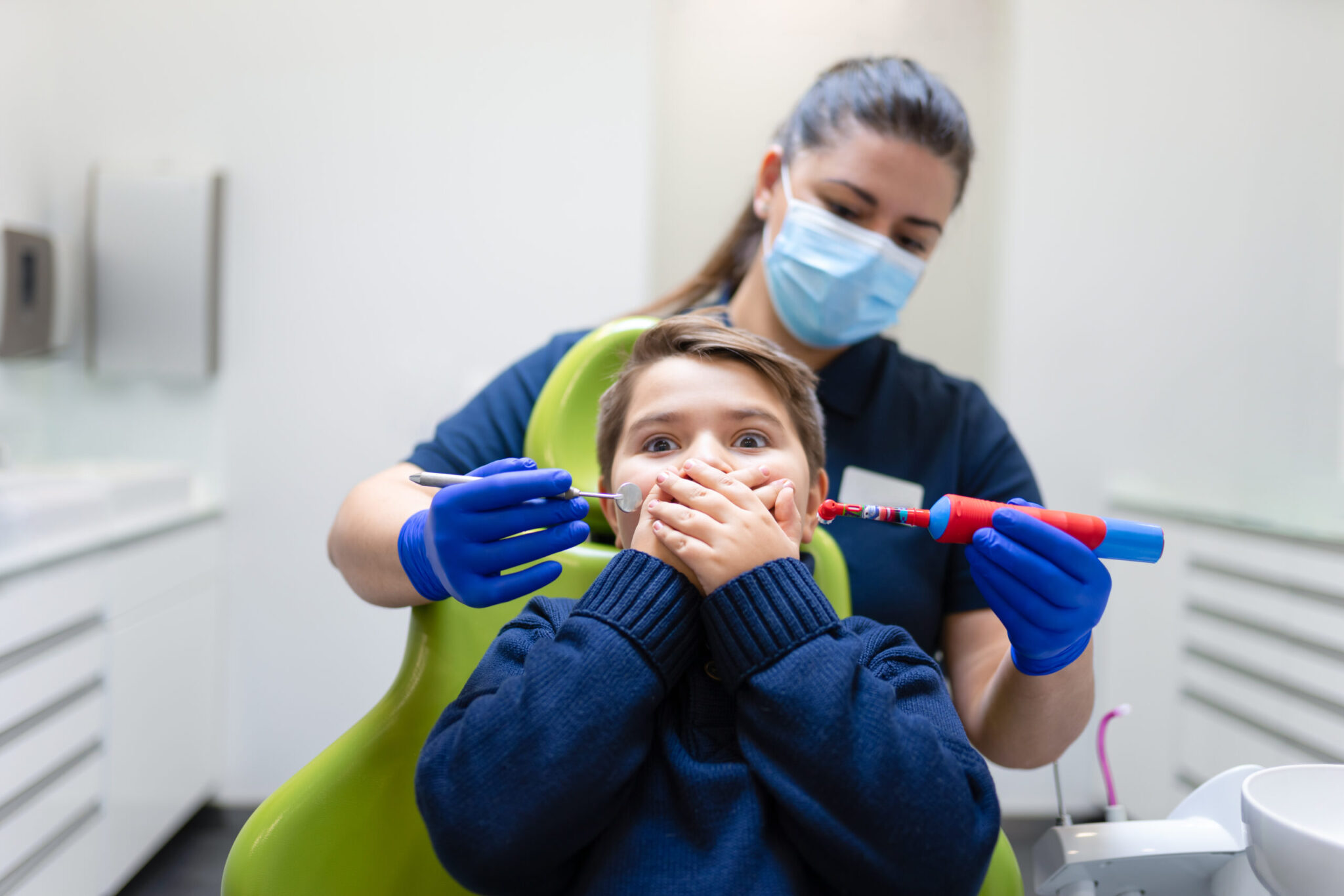
It’s 9 PM on a Tuesday night. Your child walks into the living room, tears streaming down their face, clutching their jaw. The words you dread hearing come out: “My tooth really hurts.” Your heart sinks as you watch them suffer, and a dozen questions race through your mind. Is this serious? Should I go to the emergency room? Can I wait until morning? What can I do right now to help?
If you’ve experienced this moment of panic, you’re not alone. Sudden tooth pain in children is one of the most common reasons parents seek urgent dental care. The good news is that knowing what steps to take can make all the difference in keeping your child comfortable and getting them the relief they need quickly.
Why Sudden Tooth Pain Happens
Before we dive into what you should do, it helps to understand why children experience sudden dental pain. Unlike a gradual toothache that builds over days, sudden pain typically signals that something has gone wrong quickly. The pain might stem from a cavity that’s reached the nerve, an abscess forming beneath the gum line, a cracked tooth from biting something hard, or even food stuck between teeth causing intense pressure.
Children’s teeth are particularly vulnerable because their enamel is thinner than adult teeth, and they’re still learning proper oral hygiene habits. Sometimes what seems like sudden pain has actually been brewing for a while, but kids don’t always communicate discomfort until it becomes unbearable. That’s why when dental pain strikes, it often feels like it came out of nowhere.
Understanding that dental emergencies are common doesn’t make them less scary, but it does remind you that emergency dental care exists for exactly these moments. Professional pediatric dentists have seen it all and know how to bring relief fast.
Immediate Steps: What to Do Right Now
When your child is in pain, every second feels like an eternity. Here’s your action plan for the first critical minutes after tooth pain strikes.
Stay Calm and Comfort Your Child
Your reaction sets the tone for how your child will handle the situation. Take a deep breath and use a soothing voice. Let them know you’re going to help them feel better. Children pick up on parental anxiety, so maintaining composure helps them stay calmer too. Hold them close, validate their feelings by saying something like “I know it hurts, and we’re going to fix this,” and avoid showing panic even if you feel it inside.
Examine the Problem Area
Gently ask your child to open their mouth and point to where it hurts. Use a flashlight or your phone’s light to get a good look. Are you seeing any obvious issues like a broken tooth, swelling in the gums, or something stuck between teeth? Don’t touch or probe too much, as this could cause additional pain, but a visual inspection can help you determine the next steps and provide valuable information to the dentist when you call.
Rinse with Warm Salt Water
One of the simplest yet most effective immediate remedies is a warm salt water rinse. Mix half a teaspoon of salt into a cup of warm (not hot) water. Have your child swish it around their mouth for about 30 seconds, then spit it out. This helps reduce inflammation, removes debris that might be causing irritation, and can provide temporary relief. For young children who might swallow the water, you can use a clean cloth dampened with the salt water solution to gently dab the affected area.
Apply a Cold Compress
If there’s swelling on the outside of the face, a cold compress can work wonders. Wrap ice in a thin towel or use a cold pack, and hold it against the outside of the cheek near the painful area for 15 minutes on, then 15 minutes off. This reduces swelling and numbs the area slightly, providing relief while you arrange for professional care.
Check for Food Debris
Sometimes what feels like severe tooth pain is actually something lodged between teeth creating pressure. Very gently try flossing around the painful tooth to dislodge any trapped food particles. Use a gentle sawing motion and be careful not to force the floss, which could injure tender gums. If you successfully remove something and the pain subsides significantly, you’ve likely found the culprit, though a dental checkup is still wise to ensure nothing else is wrong.
When It’s Time to Call the Dentist
Not every toothache requires an emergency visit, but some situations demand immediate professional attention. Here’s how to know when it’s time to pick up the phone.
Call your pediatric dentist right away if your child experiences severe pain that doesn’t improve with over-the-counter pain relief, swelling in the face or gums that’s getting worse, fever accompanying the tooth pain, a tooth that’s been knocked out or broken, bleeding that won’t stop after 10 minutes of gentle pressure, or difficulty breathing or swallowing.
Even if the pain seems manageable, don’t wait more than 24 hours to contact your dentist. What starts as mild discomfort can quickly escalate into a more serious infection. Quick intervention prevents complications and keeps your child from suffering unnecessarily.
At Long Island Pediatric Dentistry in Lawrence, NY, the team understands that dental emergencies don’t follow a schedule. That’s why they prioritize same-day appointments for urgent situations and remain available by cell phone even outside regular office hours. When you call, describe the symptoms clearly—this helps the dental team determine how quickly your child needs to be seen and what you should do in the meantime.
Pain Management While You Wait
After you’ve called the dentist and have an appointment scheduled, you’ll need to keep your child comfortable until you can get professional care. Here are safe, effective ways to manage pain at home.
Over-the-Counter Pain Relief
Children’s ibuprofen or acetaminophen can provide significant relief. Always follow the dosing instructions based on your child’s age and weight. Ibuprofen tends to be particularly effective for dental pain because it reduces inflammation in addition to relieving pain. Never place aspirin directly on the gums or tooth, as this can burn the tissue. Also avoid giving your child any medication without checking the label first—some products aren’t safe for certain ages.
Keep Your Child Upright
When lying flat, blood rushes to the head and can make dental pain worse. Prop your child up with pillows if they’re resting, and avoid letting them lie completely flat until the pain is under control. This simple position change can make a noticeable difference in their comfort level.
Soft, Cool Foods
If your child needs to eat, stick with soft foods that require minimal chewing. Yogurt, applesauce, smoothies, and mashed potatoes are all good options. Avoid anything hot, cold, crunchy, or sticky, as these can aggravate the painful area. Room temperature or slightly cool foods tend to be most comfortable.
Distraction Techniques
Sometimes the best medicine is taking your child’s mind off the pain. Put on their favorite movie, read stories together, or play a quiet game. Distraction won’t eliminate the pain, but it can make it feel less overwhelming, especially for younger children who don’t yet have the coping skills to manage discomfort.
Common Causes of Sudden Tooth Pain
Understanding what might be causing your child’s pain helps you prepare for the dental visit and ask informed questions. Here are the most frequent culprits behind sudden dental pain in children.
Cavities That Have Reached the Nerve
Tooth decay doesn’t happen overnight, but the pain certainly can feel sudden. When a cavity penetrates through the enamel and reaches the sensitive inner pulp of the tooth where nerves live, the pain can be intense and seem to appear out of nowhere. This type of pain often worsens with temperature changes or when eating sweets.
Dental Abscess
An abscess is a pocket of infection at the root of a tooth or in the gums. These infections can develop quickly and cause severe throbbing pain, swelling, and sometimes fever. Abscesses are serious and require prompt treatment to prevent the infection from spreading.
Cracked or Broken Teeth
Kids are active, and accidents happen. A fall on the playground, biting down on something hard, or sports injuries can crack or break a tooth. Even a small crack can expose the sensitive inner tooth structure to air and temperature changes, causing significant pain.
Emerging Teeth
While we typically associate teething with babies, older children experience discomfort when permanent molars come in. The pressure of a tooth pushing through the gum can cause sudden pain and sensitivity that might be mistaken for a dental problem.
Sinus Infections
Sometimes what seems like tooth pain isn’t actually dental at all. Sinus infections can create pressure in the upper jaw that mimics a toothache. If your child also has nasal congestion, a runny nose, or facial pressure, sinuses might be the real issue.
What Happens at the Emergency Dental Visit
Knowing what to expect when you arrive at the dentist’s office can help calm both you and your child. At Long Island Pediatric Dentistry, the process is designed to quickly assess the problem and provide relief.
First, the dental team will evaluate your child with urgency and compassionate care. They understand that dental pain is frightening, especially for children, so they work to make everyone comfortable immediately. The dentist will examine the painful area, possibly take X-rays to see what’s happening beneath the surface, and then explain their findings to you in clear, understandable terms.
Treatment depends on the cause of the pain. For a cavity, the dentist might place a filling or, in more severe cases, perform a pulpotomy (similar to a root canal for baby teeth). For an abscess, antibiotics and drainage might be necessary. A cracked tooth might need a crown to protect it. Throughout the process, the dental team uses pain relief options and comforting amenities to keep your child as comfortable as possible.
The office’s brightly colored walls, games, and even a large aquarium help capture children’s imaginations and distract them from anxiety. The staff is specifically trained in pediatric dentistry, meaning they know how to communicate with children at their developmental level and keep visits positive even in stressful situations.
Prevention: Reducing Future Dental Emergencies
Once the crisis is over and your child is feeling better, it’s natural to want to prevent this from happening again. While you can’t eliminate all risk, you can take steps to protect your child’s teeth from future emergencies.
Maintain consistent oral hygiene by brushing twice daily with fluoride toothpaste and flossing once a day. Supervise young children during brushing to ensure they’re doing a thorough job. Schedule regular dental checkups every six months so problems can be caught early, before they become painful emergencies. These routine visits also familiarize your child with the dental office, making emergency visits less frightening if they do occur.
Watch what your child eats, limiting sugary snacks and drinks that contribute to cavities. Encourage plenty of water throughout the day, which helps wash away food particles and bacteria. If your child plays sports, invest in a proper mouthguard to protect teeth from injury.
Teach your child to speak up about dental discomfort early. Create an environment where they feel comfortable telling you if something in their mouth doesn’t feel right. Addressing small issues before they become big problems saves everyone stress and prevents unnecessary pain.
Building a Relationship with Your Pediatric Dentist
One of the most valuable things you can do for your child’s dental health is establish a relationship with a trusted pediatric dentist before an emergency strikes. When your child already knows and trusts their dentist, emergency visits are far less traumatic.
Pediatric dentists receive specialized training beyond general dentistry that focuses specifically on children’s dental needs and development. They understand how to manage anxious young patients, how children’s teeth differ from adults, and how to make dental visits fun rather than frightening. This expertise is invaluable when dealing with scared, hurting children during emergencies.
At Long Island Pediatric Dentistry, Dr. Aaron Akhavan and the team create welcoming experiences that help children develop positive associations with dental care. Starting these visits early and maintaining regular appointments means your child will have a familiar, comfortable place to turn when something goes wrong.
Taking the Next Step
Dental pain in children is scary, but you’re not powerless. By staying calm, providing immediate comfort measures, and seeking prompt professional care, you can help your child through this difficult experience. Remember that dental emergencies are common, treatment options are highly effective, and with proper care, most dental pain resolves quickly.
If your child is experiencing tooth pain right now, don’t wait. The caring team at Long Island Pediatric Dentistry in Lawrence, NY, is here to help. They offer same-day appointments for emergencies and can be reached by cell phone for urgent situations. With a fun, inviting office environment and a compassionate approach to pediatric dental care, they’ll work quickly to bring relief and smiles back to your family.
Ready to get your child the care they need? Contact Long Island Pediatric Dentistry today at 516.295.1155. Located at 31 Frost Lane, Lawrence, NY 11559, they serve families throughout Long Island with precise, attentive dental care. Whether you need emergency treatment or want to establish a dental home for preventive care, their team is ready to partner with you in protecting your child’s precious smile.
Because when tooth pain strikes, every moment matters and you deserve a dental team that treats your child’s emergency with the urgency and compassion it deserves.