
As a parent, hearing that your child may need a dental filling can come as a surprise. Many families assume cavities only affect older children or teenagers, but tooth decay can develop much earlier. One of the most common questions parents ask is: at what age can a child get a filling? The answer is simpler than most expect. A child can get a filling as soon as a cavity forms, even in baby teeth. Cavities don’t wait for a certain age, and neither should treatment. When decay is detected early, treatment is often quick and comfortable. Our fillings services are designed specifically for children, with a focus on gentle care and long-term oral health.
Can Very Young Children Get Fillings?
Yes, very young children including toddlers can need fillings. Baby teeth begin erupting within the first year of life, and once teeth are present, they are vulnerable to decay. Because baby teeth have thinner enamel, cavities can sometimes progress faster than parents expect.
We often reassure parents that treating cavities early helps prevent pain, infection, and dental anxiety. Addressing decay in its early stages allows children to stay comfortable and continue developing healthy habits around dental care.
Why Baby Teeth Still Need Treatment
Some parents wonder whether it’s really necessary to fill a cavity in a baby tooth since it will eventually fall out. In reality, baby teeth play an essential role in chewing, speech development, and holding space for permanent teeth. Untreated decay can cause discomfort and may even affect how adult teeth develop beneath the gums.
A filling helps stop decay from spreading and protects your child’s oral health during these important growth years.
What Causes Cavities in Children?
Cavities develop when bacteria in the mouth feed on sugars and produce acids that weaken tooth enamel. In children, common contributors include frequent snacking, sugary drinks, inconsistent brushing, and sometimes genetics.
Even children who brush regularly can develop cavities if plaque isn’t removed effectively. That’s why routine dental visits are so important. Professional exams allow us to identify early signs of decay often before your child feels any pain.
How We Decide If a Filling Is Needed
During your child’s dental visit, we carefully examine their teeth and may take digital X-rays if needed. These tools help us detect cavities that aren’t visible to the naked eye. If we find decay, we explain the situation clearly and discuss whether a filling is the best next step.
We always take a conservative, child-first approach. When possible, we focus on prevention and monitoring. When treatment is necessary, we prioritize comfort and clarity so parents feel confident in the plan.
Pediatric Dental Care Focused on Families
At the heart of our approach is family-centered care. At Long Island Pediatric Dentistry, we’re dedicated to creating a calm, welcoming environment where children feel safe and parents feel informed. We believe that positive early dental experiences help set the foundation for lifelong oral health.
Our team takes time to answer questions, explain procedures in parent-friendly terms, and support children every step of the way.
What Is the Filling Process Like for Kids?
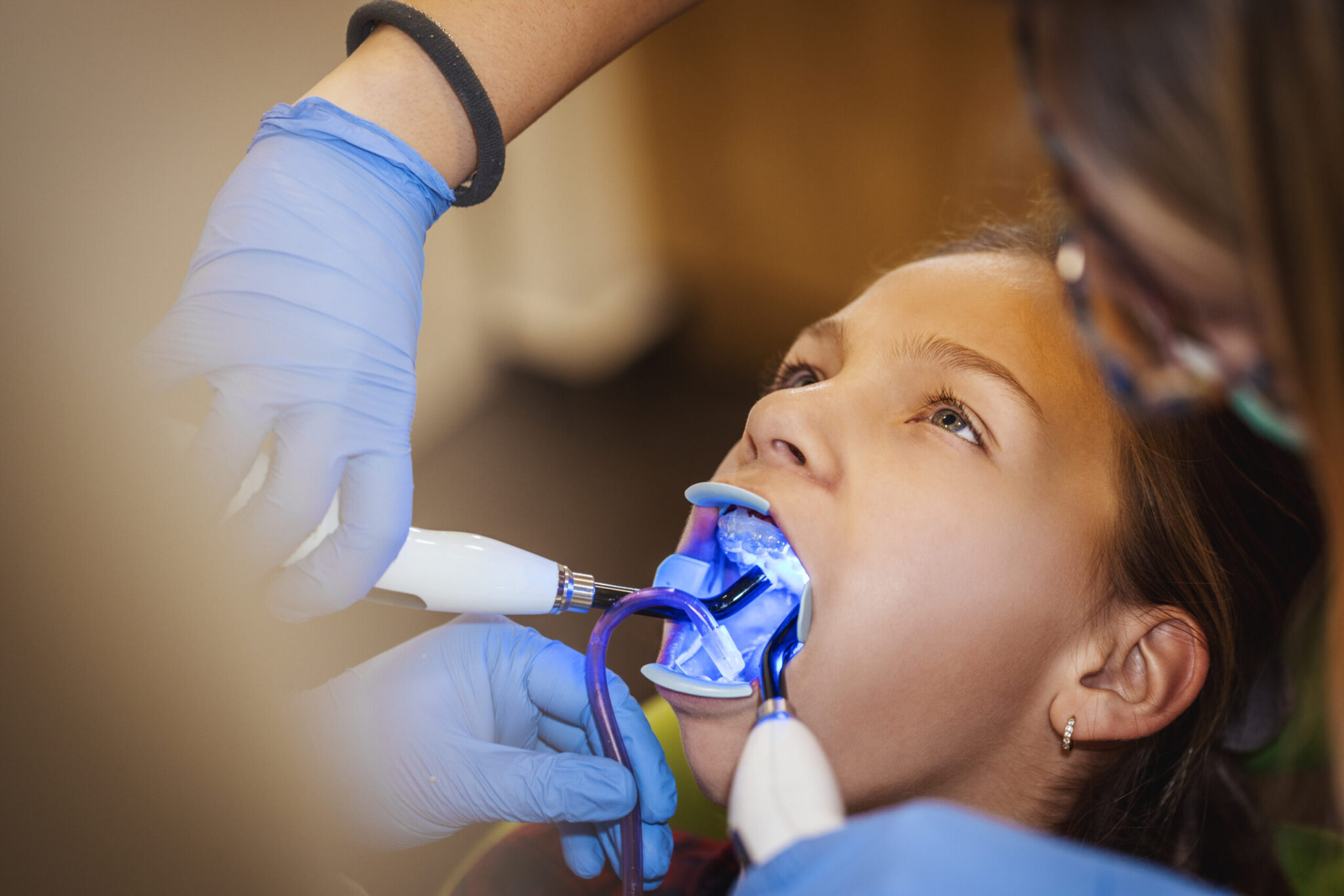
Parents are often relieved to learn that fillings for children are typically quick and straightforward. We use gentle techniques and explain each step in age-appropriate language so children know what to expect. The decayed portion of the tooth is carefully removed, and the tooth is restored with a safe, durable filling material. Our goal is always to make the experience as stress-free as possible, helping children leave the office feeling proud and confident.
Baby Teeth vs. Permanent Teeth Fillings
Fillings can be used for both baby teeth and permanent teeth, though their purpose is slightly different. Fillings in baby teeth are meant to last until the tooth naturally falls out, while fillings in permanent teeth are designed for long-term durability.
In both cases, fillings stop decay, protect the tooth, and support healthy development.
Why Early Treatment Makes a Difference
When cavities are treated early, children are more likely to avoid pain, infection, and complex dental procedures. Early care also helps children build trust with their dentist and develop positive feelings about dental visits.
For families in our community, early intervention is one of the best ways to protect a child’s smile and overall well-being.
When Should Parents Schedule an Appointment?
If you notice discoloration on your child’s teeth, complaints of sensitivity, or changes in eating habits, it’s a good idea to schedule a dental visit. Even without obvious symptoms, regular checkups help us catch cavities early—sometimes before your child feels any discomfort at all. Contact us today to schedule your child’s appointment. We’re here to help your child grow up with a healthy, confident smile.