
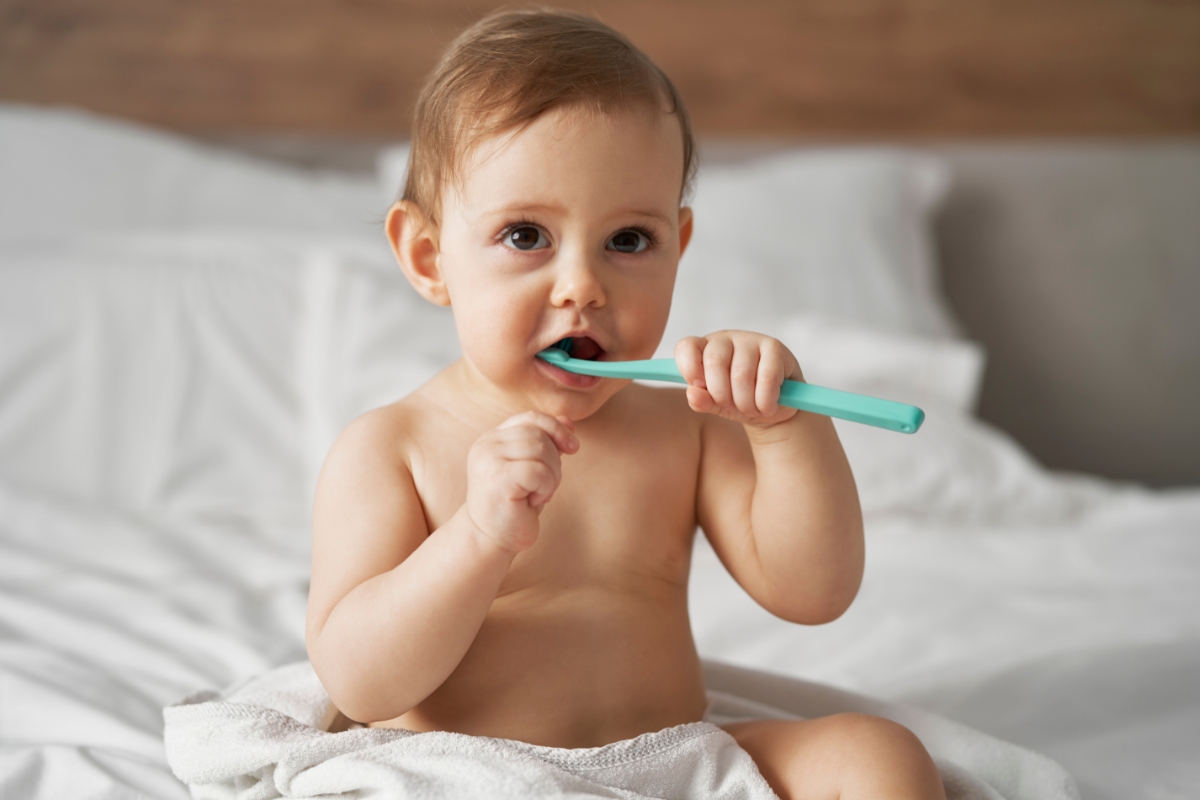
When it comes to parenting, there are countless milestones to celebrate. From a baby’s first steps to their first words, these moments are monumental. However, one milestone that often goes unnoticed, even though it’s just as important, is the arrival of your baby’s first tooth. The care you give to those first little teeth can make a significant difference in your child’s oral health for years to come.
In this guide, we’ll walk you through everything you need to know about baby teeth, from when to expect them to how to care for them, all while ensuring that you’re ready for the journey ahead. Let’s make sure those little smiles shine as brightly as they should.
Why Do Baby Teeth Matter More Than You Think?
Baby teeth, also known as primary teeth, are more than just a temporary part of your child’s development. They are the foundation of your child’s future smile, and they play a crucial role in overall health and well-being. Not only do they help with chewing and speech, but they also serve as placeholders for adult teeth that will eventually come in.
For parents in the Lawrence area, it’s important to understand the role baby teeth play in the development of your child’s mouth. These early teeth guide permanent teeth into the correct position, helping avoid future orthodontic issues. A healthy set of baby teeth lays the foundation for a healthy smile as your child grows.
When Should You Start Caring for Baby Teeth?
It may seem like a distant concern, but caring for your baby’s teeth begins even before the first tooth erupts. Start by gently wiping your baby’s gums with a soft cloth after feedings to remove bacteria and prevent buildup. Once the first tooth appears, typically around 6 months old, introduce a baby-friendly toothbrush.
As your child grows, you can begin using fluoride-free toothpaste, which is safer for their developing teeth.
Teething: What to Expect and How to Soothe
Teething is a big milestone, but it’s also a challenging time for both babies and parents. During this period, your baby’s gums can become swollen and tender, leading to drooling, fussiness, and a strong urge to chew on things. As a parent in the Nassau area, you’ll want to be prepared to offer comfort and relief during this time.
There are plenty of ways to ease teething discomfort. Try offering a chilled teething ring or gently massaging your baby’s gums with a clean finger. You can also use over-the-counter teething gels, but always check with your pediatrician or dentist for recommendations specific to your baby’s needs.

Milestones of Baby Teeth Development
It’s always exciting to see those first baby teeth come in, and each milestone marks an important step in your child’s development. Most babies will begin teething around 6 months, and their first tooth will likely be one of the bottom front teeth. By the time your baby turns 3, they will usually have a full set of 20 baby teeth.
Most parents often ask when to expect specific teeth. Here’s a quick guide to what’s typical:
- 6–9 months: Lower front teeth (central incisors)
- 9–12 months: Upper front teeth (central incisors)
- 12–18 months: First molars
- 18–24 months: Canines (upper and lower)
- 2–3 years: Second molars
As these teeth emerge, it’s a great time to start incorporating regular brushing into your daily routine. The earlier you establish a solid oral hygiene routine, the better!
Baby Teeth and Their Role in Alignment
While baby teeth may eventually fall out to make room for permanent ones, they play a pivotal role in ensuring that those permanent teeth come in correctly. If baby teeth are lost too early, whether due to decay, trauma, or other issues, the remaining teeth can shift into the space, causing problems with the alignment of the permanent teeth.
Many children lose their baby teeth too early, leading to crowding or misalignment later. To avoid these issues, it’s essential to keep those baby teeth healthy and intact as long as possible. Regular visits to the dentist, such as the ones offered at Long Island Pediatric Dentistry, ensure that baby teeth are developing correctly and that any problems are addressed early.
Common Dental Issues with Baby Teeth
While baby teeth are essential, they are also susceptible to cavities and decay. Since sugar can cause plaque buildup and contribute to tooth decay, it’s important to avoid sugary foods and drinks, especially between meals. This is a concern for parents, as children often get cavities due to habits like sipping sugary drinks or snacking frequently.
If a cavity does form, it’s essential to address it as soon as possible. Even though baby teeth are temporary, cavities left untreated can affect the development of permanent teeth.
When Should You Take Your Baby for a Dental Visit?
The American Dental Association (ADA) recommends that children visit the dentist by their first birthday. Early visits allow the dentist to check for any problems, give parents advice on care, and establish a positive relationship with the dental office. This visit can help set the stage for a lifetime of healthy smiles.
At Long Island Pediatric Dentistry, we make sure your child’s first experience at the dentist is comfortable and positive. Our dental practitioners recommend bringing your baby in for a checkup around the first year to ensure their teeth are developing properly and to receive personalized care tips.
Setting Your Child Up for a Lifetime of Healthy Smiles
Taking care of your child’s baby teeth might seem daunting at first, but it’s easier than it sounds, and it’s crucial for their long-term oral health. By establishing a proper routine of brushing, limiting sugary snacks, and scheduling regular dental visits, you’re setting them up for a future full of bright, healthy smiles.
Whether you’re in Lawrence, or in neighboring areas of Nassau County, our team at Long Island Pediatric Dentistry is here to guide you through every step of your child’s oral health journey. Book an appointment to build a healthy foundation for your child’s optimal oral condition.
FAQs
- When should my baby have their first dental visit?
It’s recommended to bring your baby in for their first dental visit by their first birthday. This helps ensure their teeth are developing correctly and allows you to ask any questions about proper oral care.
- How can I help my baby during teething?
To soothe your baby during teething, try offering chilled teething rings, gently massaging their gums with a clean finger, or using over-the-counter teething gels. Always check with your pediatrician for recommendations that are safe for your baby.
- What’s the best way to brush my baby’s teeth?
Once your baby’s first tooth appears, use a soft-bristled toothbrush with a small amount of fluoride-free toothpaste. Gently brush their teeth twice a day, making sure to clean the gums as well before the teeth appear.
- Are baby teeth really that important?
Yes! Baby teeth are crucial for chewing, speech development, and guiding permanent teeth into the right positions. Keeping them healthy helps prevent alignment issues and promotes healthy adult teeth later on.
- What should I do if my baby has a cavity?
If your baby develops a cavity, it’s important to visit the dentist as soon as possible. Untreated cavities in baby teeth can lead to pain, infection, and potential issues with the alignment of permanent teeth.