
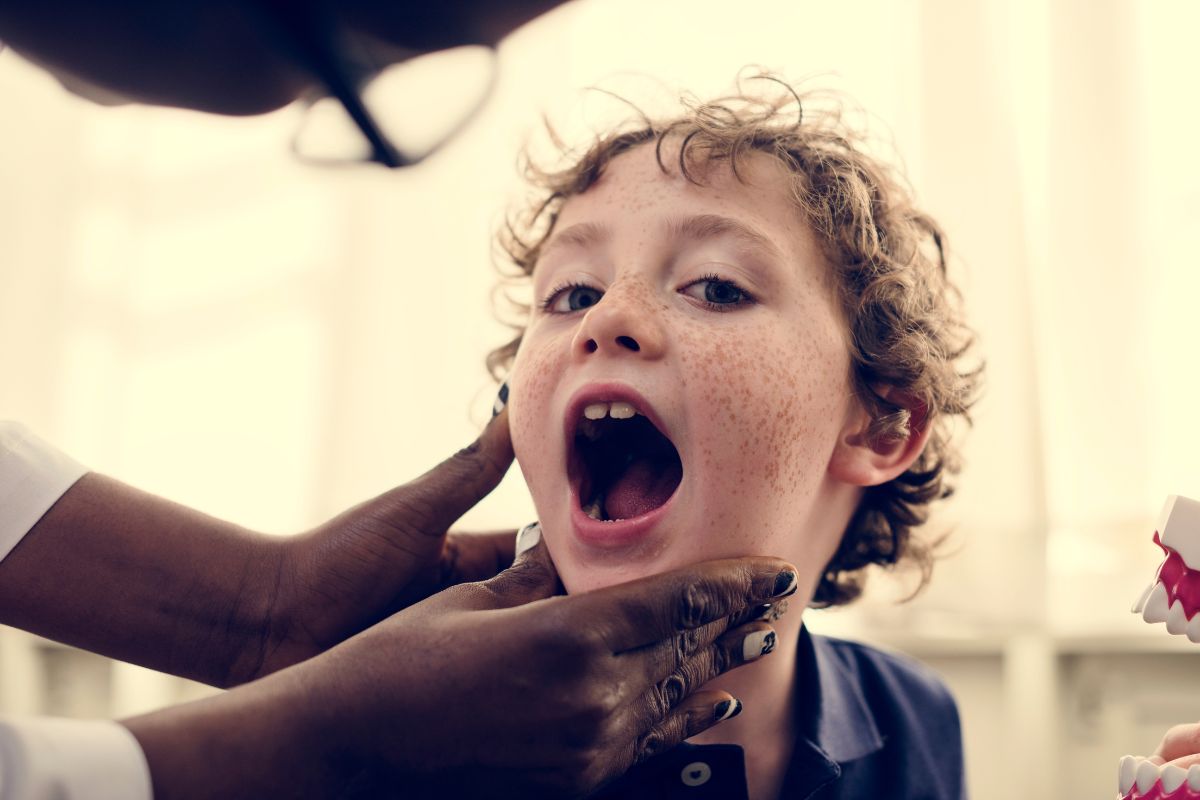
Bad breath isn’t just an adult problem. Many parents notice an unpleasant odor coming from their child’s mouth and wonder whether it’s something temporary or a sign of a dental concern.
In many cases, bad breath in children is caused by everyday habits such as inadequate brushing or food trapped between the teeth. However, persistent bad breath can sometimes point to cavities, gum irritation, dry mouth, or other conditions that deserve professional attention.
The good news is that most causes are treatable, especially when identified early. Understanding why bad breath develops can help parents protect their child’s oral health and build healthy habits that last a lifetime.
What Causes Bad Breath in Children?
The most common causes of bad breath in children include poor oral hygiene, bacteria on the tongue, trapped food particles, cavities, dry mouth, and gum inflammation. In some cases, persistent bad breath may also be related to sinus infections, enlarged tonsils, or other medical conditions.
If bad breath continues even after regular brushing and flossing, it’s a good idea to schedule a dental evaluation.
Common Causes of Bad Breath in Children
Bad breath, also known as halitosis, can develop for several reasons. Some causes are harmless and temporary, while others may require dental treatment.
Poor Oral Hygiene
The leading cause of bad breath in children is plaque buildup.
When children don’t brush and floss thoroughly, leftover food particles remain on the teeth and gums. Bacteria feed on these particles and release unpleasant-smelling compounds.
Teaching children to brush for two minutes twice a day and floss once daily helps remove plaque and reduces odor-causing bacteria.
Bacteria on the Tongue
The tongue contains tiny grooves where bacteria can easily collect.
Even if children brush their teeth well, skipping the tongue allows bacteria and food debris to remain in the mouth.
Gently brushing the tongue every day can make a noticeable difference in breath freshness.
Food Trapped Between Teeth
Small pieces of food can become lodged between teeth, especially after eating sticky or fibrous foods.
As food begins to break down, bacteria increase and unpleasant odors may develop.
Daily flossing helps remove debris that brushing alone can’t reach.
Cavities
Tooth decay doesn’t always cause pain in its early stages.
However, cavities create spaces where bacteria collect, often leading to persistent bad breath.
Other signs of cavities may include:
- Tooth sensitivity
- Pain while chewing
- Visible holes in a tooth
- Brown or dark spots
- Avoiding certain foods
Treating cavities early helps protect both your child’s teeth and overall oral health.
Dry Mouth
Saliva plays an important role in keeping the mouth clean.
It naturally washes away bacteria and leftover food particles throughout the day.
When the mouth becomes dry, bacteria multiply more easily, increasing the risk of bad breath.
Dry mouth may occur because of:
- Mouth breathing
- Not drinking enough water
- Certain medications
- Sleeping with an open mouth
Encouraging children to stay hydrated helps support healthy saliva production.
Gum Inflammation
Healthy gums should appear pink and firm.
If gums become swollen, red, or bleed during brushing, bacteria may be building up along the gumline.
Inflamed gums can contribute to unpleasant breath and should not be ignored.
Good brushing, flossing, and regular dental visits help keep gums healthy.
Can Certain Foods Cause Bad Breath?
Yes.
Some foods naturally leave a stronger odor in the mouth than others.
Examples include:
- Garlic
- Onions
- Certain cheeses
- Tuna
- Highly seasoned foods
Sugary snacks and drinks can also contribute indirectly by encouraging bacterial growth if they aren’t cleaned from the teeth afterward.
Fortunately, food-related bad breath usually improves after brushing, flossing, drinking water, and allowing saliva to naturally cleanse the mouth.
When Should Parents Be Concerned?
Occasional bad breath in the morning or after eating certain foods is usually normal.
However, parents should pay closer attention if bad breath:
- Lasts longer than two weeks
- Returns quickly after brushing
- Is accompanied by tooth pain
- Occurs with swollen or bleeding gums
- Makes eating uncomfortable
- Comes with visible tooth discoloration or cavities
Persistent symptoms often indicate that a professional evaluation is needed to identify the underlying cause before it becomes more serious.
Can Bad Breath in Children Be Prevented?
In many cases, yes.
Developing healthy oral hygiene habits early is one of the best ways to reduce the risk of bad breath.
Simple daily habits include:
- Brushing twice a day with fluoride toothpaste.
- Flossing every day.
- Cleaning the tongue gently.
- Drinking plenty of water.
- Limiting sugary snacks and drinks.
- Replacing toothbrushes every three to four months.
- Scheduling regular dental checkups.
These habits not only help keep breath fresh but also support healthy teeth and gums as children grow.
Can Bad Breath Be Linked to Other Health Conditions?
Sometimes, yes.
While most cases of bad breath begin in the mouth, persistent odor that doesn’t improve with good oral hygiene may be associated with other health concerns.
These may include:
- Chronic sinus infections
- Postnasal drip
- Enlarged tonsils
- Mouth breathing
- Certain digestive conditions (less common)
If your child has ongoing bad breath along with symptoms such as frequent sore throats, difficulty swallowing, or nasal congestion, it’s a good idea to discuss these concerns with both your dentist and pediatrician to determine the underlying cause.
Why Regular Dental Checkups Matter
Routine dental visits are about more than checking for cavities.
During a preventive exam, your child’s dentist can:
- Identify plaque and tartar buildup.
- Detect cavities early.
- Evaluate gum health.
- Monitor oral development.
- Offer personalized brushing and flossing tips.
- Address concerns before they become larger problems.
Early preventive care helps children maintain healthy smiles while reducing the risk of future dental issues.
How Parents Can Encourage Better Oral Hygiene
Building healthy habits at home is one of the best ways to prevent bad breath and support lifelong oral health.
Here are a few simple ways to help your child:
- Make brushing part of the morning and bedtime routine.
- Brush together with younger children to encourage proper technique.
- Replace toothbrushes every three to four months or after an illness.
- Offer water instead of sugary drinks whenever possible.
- Encourage healthy snacks such as fruits, vegetables, and cheese.
- Celebrate good brushing habits with positive reinforcement.
Creating a consistent routine makes oral hygiene easier and helps children develop habits they’ll carry into adulthood.
When Is It Time to Schedule a Dental Visit?

Although occasional bad breath is common, persistent symptoms shouldn’t be ignored.
Consider scheduling an evaluation if your child has:
- Bad breath that lasts for more than two weeks.
- Persistent bad breath despite brushing and flossing.
- Tooth pain or sensitivity.
- Swollen or bleeding gums.
- White or brown spots on the teeth.
- Difficulty chewing because of discomfort.
- Frequent complaints of a bad taste in the mouth.
Prompt care allows dental concerns to be treated before they become more complicated.
Help Your Child Enjoy a Healthier, Fresher Smile
If your child’s bad breath isn’t improving with good brushing and flossing habits, a professional dental evaluation can help identify the cause and provide the right treatment.
At Long Island Pediatric Dentistry, our team is committed to helping children feel comfortable while receiving the personalized care they need for healthy smiles. We proudly provide Pediatric Dentistry Lawrence families can trust, focusing on preventive care and early treatment to support lifelong oral health.
Schedule Your Child’s Visit Today
If you have questions about your child’s oral health or persistent bad breath, we’re here to help.
Call (516) 540-6319 to schedule an appointment and give your child the healthy smile they deserve.
Frequently Asked Questions
1. Why does my child’s breath smell bad even after brushing?
If bad breath continues after brushing, it may be caused by bacteria on the tongue, food trapped between the teeth, cavities, dry mouth, or another underlying oral health concern.
2. Is bad breath in children normal?
Occasional bad breath, especially in the morning or after eating certain foods, is common. Persistent bad breath that doesn’t improve with good oral hygiene should be evaluated by a dentist.
3. Can cavities cause bad breath in children?
Yes. Cavities can trap bacteria and food particles, which may lead to unpleasant odors if left untreated.
4. How can I help prevent bad breath in my child?
Encourage your child to brush twice a day, floss daily, clean their tongue, drink plenty of water, and attend regular dental checkups.
5. When should I worry about my child’s bad breath?
If bad breath lasts longer than two weeks, returns quickly after brushing, or is accompanied by tooth pain, swollen gums, or other symptoms, it’s time to schedule a dental evaluation.