
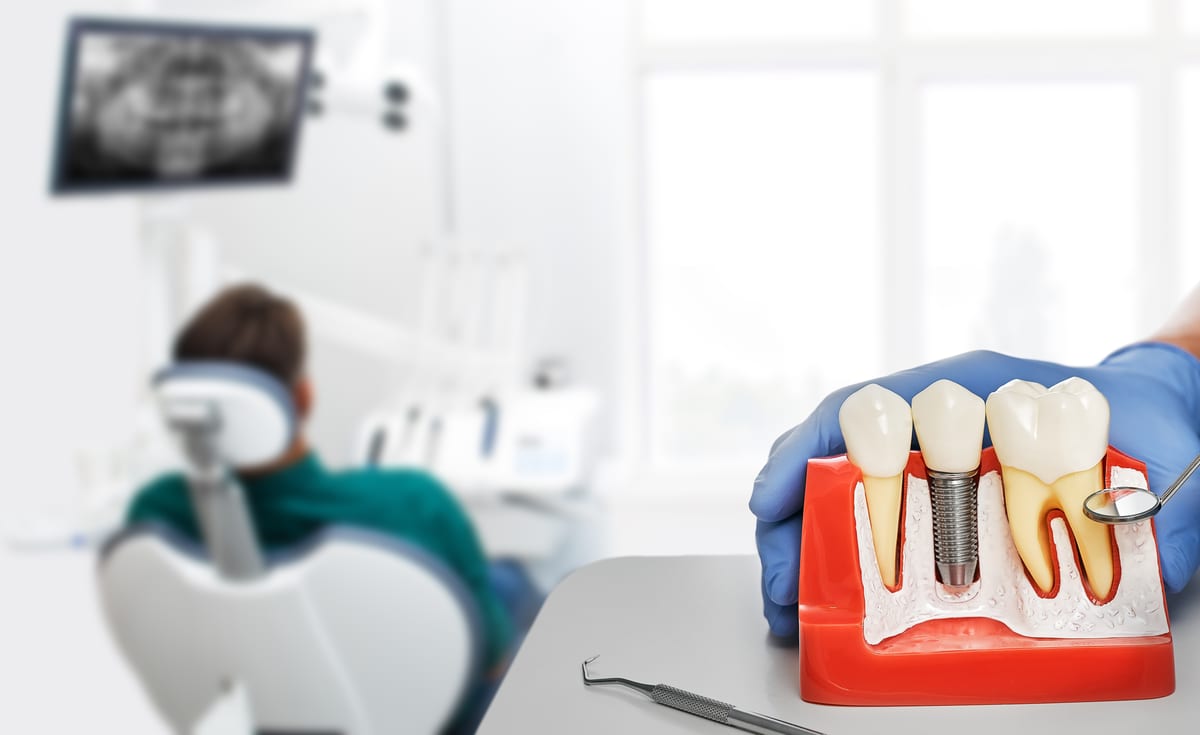
Many parents in Lawrence, NY wonder whether their child truly needs cavity prevention — or if it’s something only certain kids require. The truth is that most children can benefit from proactive dental care. But understanding whether your child is a good candidate for cavity prevention in Lawrence depends on several key factors. Dr. Aaron Akhavan at Long Island Pediatric Dentistry is here to help you make sense of it all.
Cavities are one of the most common chronic childhood conditions in the United States. Early intervention can save your child from pain, missed school days, and more complex dental work later. Knowing where your child stands is the first step toward protecting their smile.
What Does Cavity Prevention Actually Mean for Kids?
Cavity prevention is not a single treatment — it’s a personalized strategy. It may include fluoride treatments, dental sealants, dietary guidance, and improved brushing habits. The goal is to stop decay before it starts, rather than treat it after the fact.
At Long Island Pediatric Dentistry, Dr. Akhavan evaluates each child individually. No two smiles are the same, and no two prevention plans should be either. Your child’s age, tooth development, diet, and hygiene routine all play a role.
Prevention is also closely tied to Routine Dental Care Lawrence visits. Regular checkups give Dr. Akhavan the opportunity to spot early warning signs and act before cavities form.
Is Your Child a Good Candidate for Cavity Prevention in Lawrence?
Most children are excellent candidates for some form of cavity prevention. However, certain factors make preventive care especially important. If your child falls into any of the categories below, scheduling an evaluation sooner rather than later is wise.
Children who are strong candidates for cavity prevention often share these characteristics:
- They have a history of cavities or tooth decay
- They consume sugary snacks or drinks frequently
- They have deep grooves or pits in their back teeth
- They struggle with consistent brushing and flossing
- They have braces or other orthodontic appliances
- They breathe through their mouth, which dries out saliva
- They are between the ages of 6 and 14, a high-risk window for decay
Even children without these risk factors can benefit from preventive care. Starting good habits early sets the foundation for a lifetime of healthy teeth.
What the Candidacy Evaluation Involves
When you bring your child to Long Island Pediatric Dentistry, Dr. Akhavan performs a thorough assessment. This is not just a quick look — it’s a structured evaluation designed to identify your child’s unique needs.
Here is what the evaluation typically includes:
- Medical and dental history review — Dr. Akhavan reviews past dental records, any prior cavities, and general health information.
- Visual and X-ray examination — The team looks for early signs of decay, weak enamel, or structural concerns in both baby and permanent teeth.
- Diet and hygiene assessment — Parents answer questions about their child’s snacking habits and daily brushing routine.
- Risk scoring — Based on findings, Dr. Akhavan assigns a caries risk level: low, moderate, or high.
- Personalized prevention plan — The team recommends specific treatments and at-home strategies tailored to your child’s risk level.
This step-by-step process ensures that every child receives exactly the level of care they need — nothing more, nothing less.
Key Preventive Treatments Dr. Akhavan May Recommend
Once your child’s candidacy is confirmed, Dr. Akhavan will discuss the most appropriate prevention tools. Each option is safe, effective, and designed specifically for growing smiles.
Fluoride treatments strengthen tooth enamel and make teeth more resistant to acid attacks from bacteria. They are especially beneficial for children who drink non-fluoridated water or who have early signs of enamel erosion.
Dental sealants are thin protective coatings applied to the chewing surfaces of back teeth. They seal off the deep grooves where bacteria tend to collect. Sealants are particularly effective for children ages 6 to 12 when permanent molars first appear.
Dietary counseling helps parents understand which snacks support strong teeth. Foods high in calcium, phosphorus, and fiber are excellent choices. Limiting sticky, sugary snacks reduces the fuel that cavity-causing bacteria rely on.
Improved home care guidance teaches children proper brushing and flossing techniques in age-appropriate ways. Dr. Akhavan and the team make these lessons fun and memorable for young patients.
When to Seek Emergency Help Alongside Prevention
Prevention is the goal, but accidents and dental emergencies still happen. If your child experiences a knocked-out tooth, severe toothache, or dental injury, prompt care is essential. Long Island Pediatric Dentistry provides Emergency Dental Care Lawrence families can rely on when unexpected situations arise.
It’s important to know that emergency care and preventive care work together. A child who receives regular preventive treatment is less likely to experience complications from dental emergencies. Healthy, strong teeth are simply more resilient.
If your child suffers a dental injury, do not wait. Contact the practice right away for guidance on immediate next steps.
Tips for Supporting Cavity Prevention at Home
What happens between dental visits matters just as much as the appointments themselves. Parents play a critical role in reinforcing good habits every single day.
- Brush your child’s teeth twice daily with fluoride toothpaste
- Floss your child’s teeth once a day, starting when two teeth touch
- Limit juice, soda, and sugary snacks to mealtimes only
- Offer water as the primary drink throughout the day
- Replace your child’s toothbrush every three months
- Schedule dental checkups every six months without skipping
Small, consistent actions add up to big results over time. Dr. Akhavan’s team is always happy to demonstrate proper techniques at your next visit.
Frequently Asked Questions
At what age should cavity prevention begin for my child?
Cavity prevention should begin as soon as your child’s first tooth appears — usually around six months of age. Early visits to a pediatric dentist help establish healthy habits and identify any risk factors right from the start. Dr. Akhavan recommends scheduling your child’s first dental visit by their first birthday.
Are fluoride treatments safe for young children?
Yes, fluoride treatments are safe and well-studied when applied in the correct amounts by a trained pediatric dentist. Dr. Akhavan uses age-appropriate fluoride applications that are specifically formulated for children. The benefits of strengthened enamel far outweigh any minimal risks when administered professionally.
How do I know if my child is high-risk for cavities?
Signs of higher cavity risk include frequent sugar consumption, a history of past cavities, poor brushing habits, or visible white spots on teeth. Dr. Akhavan conducts a full risk assessment during your child’s exam. This helps determine the best prevention plan for your child’s specific needs.
How long do dental sealants last on children’s teeth?
Dental sealants typically last between five and ten years with proper care. Dr. Akhavan checks the condition of sealants at every routine visit. If a sealant chips or wears down, it can be easily reapplied to continue protecting your child’s teeth.
Can cavity prevention work even if my child already has a small cavity?
Yes — preventive care is still highly effective even if your child has had a cavity. Treating existing decay and then implementing a strong prevention plan significantly reduces the risk of future cavities. Dr. Akhavan will address any current concerns and build a customized strategy to protect the remaining healthy teeth.
Every child deserves a healthy, pain-free smile — and the right prevention plan makes that possible. Dr. Aaron Akhavan and the team at Long Island Pediatric Dentistry are proud to serve families throughout Lawrence, NY with compassionate, evidence-based pediatric care. Book Now to schedule your appointment with our team.