
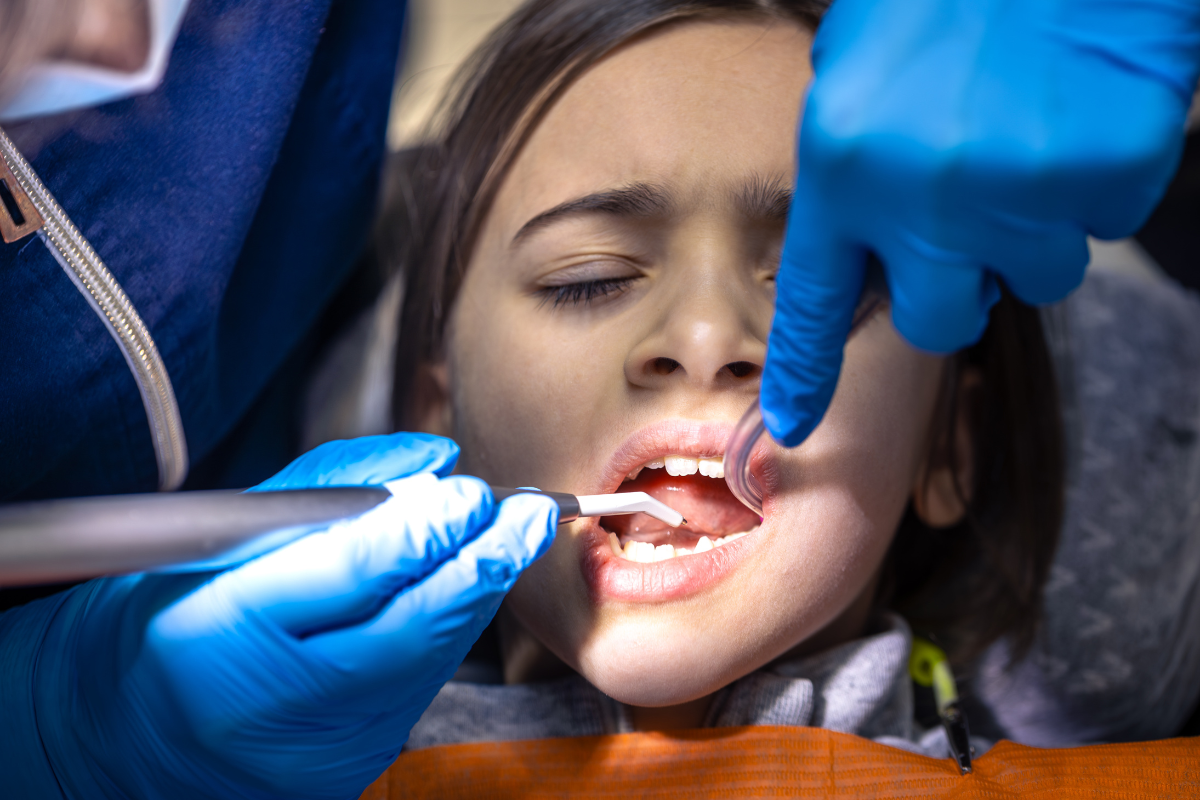
Winter in Lawrence, NY brings more than just cold weather and holiday cheer. The combination of seasonal flu and dry indoor air creates unique challenges for children’s dental health that many parents don’t anticipate. If your child develops a toothache, swollen gums, or unusual mouth pain during flu season, these symptoms could signal a dental emergency requiring immediate attention from a pediatric dentist in Lawrence. Understanding how winter conditions affect your child’s oral health can help you recognize warning signs early and prevent minor issues from becoming serious problems.
How Winter Flu Affects Children’s Dental Health
When your child catches the flu, their entire body goes into defense mode, and their mouth is no exception. The virus creates conditions that can rapidly escalate existing dental issues or trigger new ones.
Fever associated with flu causes dehydration, which significantly reduces saliva production. Saliva acts as your child’s natural defense system against harmful bacteria, washing away food particles and neutralizing acids that attack tooth enamel. Without adequate saliva, bacteria multiply rapidly, increasing the risk of cavities and gum infections.
Vomiting, a common flu symptom, exposes teeth to stomach acid that erodes enamel. If your child has an undetected cavity or weak spot in their tooth, this acid exposure can quickly worsen the damage, leading to severe pain or infection. Additionally, many children breathe through their mouths when congested, which further dries out oral tissues and creates an environment where bacteria thrive.
The immune system’s focus on fighting the flu virus also means less protection for the mouth. A small cavity that might have remained stable suddenly becomes inflamed and painful. Parents often notice their children complaining about tooth sensitivity or pain that wasn’t there before the illness started.
The Hidden Threat of Dry Winter Air
Lawrence winters bring frigid temperatures that force families indoors, where heating systems run constantly. While staying warm is essential, indoor heating dramatically reduces humidity levels, often dropping below 30%. This dry air doesn’t just affect your skin; it has serious implications for oral health.
Children are particularly vulnerable to dry mouth conditions because they’re less aware of their hydration needs. When mouth tissues dry out, the protective mucous membranes become compromised. Gums may appear red, swollen, or even begin bleeding during brushing. Existing gingivitis can worsen rapidly in these conditions.
Dry air also makes existing tooth sensitivities more pronounced. If your child has a small crack in a tooth or receding gum tissue, the lack of moisture amplifies their discomfort. What started as mild sensitivity can escalate to constant pain, especially when eating or drinking.
Cracked lips are another winter concern that connects to dental health. When children lick their dry lips repeatedly, they introduce bacteria from their hands and environment into micro-cuts around the mouth. These bacteria can travel to the gums, potentially causing infections that require professional intervention.
Warning Signs That Require Immediate Attention
Recognizing dental emergencies during winter requires parents to watch for specific symptoms that indicate a problem has moved beyond routine care. If you’re searching for “pediatric dental emergency near me,” these signs suggest your child needs prompt evaluation.
Persistent or Severe Tooth Pain: While mild sensitivity might resolve on its own, pain that lasts more than a day, wakes your child from sleep, or interferes with eating demands professional assessment. This pain often indicates an infection has reached the tooth’s nerve.
Swelling Around the Gums or Face: Any noticeable swelling, particularly if accompanied by fever, signals an infection spreading beyond the tooth. This requires same-day treatment to prevent the infection from affecting other areas.
Loose or Knocked-Out Teeth: Winter activities like sledding or ice skating increase the risk of dental trauma. If a permanent tooth becomes loose or gets knocked out, time is critical. Getting to a children’s dentist within an hour significantly improves the chances of saving the tooth.
Visible Pus or Abscess: A pimple-like bump on the gums near a painful tooth indicates an abscess, which is a pocket of infection. Abscesses don’t heal on their own and can spread quickly, especially when a child’s immune system is already fighting flu.
Bleeding That Won’t Stop: Minor bleeding after brushing is common with dry winter conditions, but bleeding that continues for more than 10 minutes or recurs frequently suggests gum disease that needs treatment.
Broken or Cracked Teeth: Even small chips can expose the inner tooth structure to bacteria. In winter’s dry conditions, these openings allow infections to develop rapidly.
Difficulty Swallowing or Breathing: If dental swelling extends to the throat or your child struggles to breathe, this constitutes a medical emergency requiring immediate emergency room care, followed by dental treatment.
Preventing Winter Dental Emergencies
While some emergencies are unavoidable, parents can take proactive steps to protect their children’s oral health throughout Lawrence’s harsh winter months.
Maintain Humidity Levels: Use a humidifier in your child’s bedroom to keep moisture levels between 40-50%. This simple step prevents dry mouth and keeps oral tissues healthy.
Encourage Consistent Hydration: Children should drink water throughout the day, not just when thirsty. During flu recovery, offer small, frequent sips even if your child resists. Water helps wash away bacteria and stimulates saliva production.
Rinse After Vomiting: If your child vomits due to flu, have them rinse their mouth with water or a mixture of water and baking soda. Wait at least 30 minutes before brushing, as immediate brushing can damage enamel softened by stomach acid.
Protect Teeth During Winter Sports: Ensure your child wears a properly fitted mouthguard during activities like hockey, skiing, or sledding. Custom mouthguards from your kids’ dentist offer the best protection.
Continue Regular Oral Hygiene: Illness shouldn’t interrupt brushing and flossing. Use a soft-bristled toothbrush and fluoride toothpaste twice daily. If your child is too sick to brush thoroughly, at least rinse with water.
Schedule Regular Checkups: Biannual visits allow your dental team to catch small problems before winter conditions worsen them. These appointments are especially important before cold and flu season begins.
Limit Sugary Flu Remedies: Many cough syrups and throat lozenges contain sugar that feeds bacteria. Choose sugar-free alternatives when possible, and have your child rinse with water after taking medications.
When to Call Your Lawrence Pediatric Dentist
Parents often wonder whether a situation truly requires professional care or if it can wait. Here’s guidance on making that decision during winter months.
Call during regular office hours if your child experiences increased sensitivity to hot or cold foods, notices a small chip or crack in a tooth, develops mild gum swelling that improves with saltwater rinses, or complains of discomfort that responds to over-the-counter pain relief.
Contact your dental office immediately for same-day care if severe pain doesn’t respond to pain medication, swelling spreads to the face or neck, your child develops a fever alongside dental pain, a permanent tooth becomes loose, or you notice discharge or a bad taste in your child’s mouth.
Seek emergency room care first, then follow up with your dentist if your child has difficulty breathing or swallowing, experiences uncontrollable bleeding, suffers a jaw injury with severe swelling, or develops a high fever with facial swelling.
At Long Island Pediatric Dentistry, we understand that dental emergencies don’t follow convenient schedules. Our team prioritizes urgent cases and works to accommodate families facing unexpected dental issues, especially during challenging winter months.
Why Professional Care Makes a Difference
Some parents attempt to manage dental problems at home, hoping symptoms will resolve once their child recovers from flu. However, dental infections rarely heal without professional intervention. Untreated infections can spread to other teeth, the jawbone, or even the bloodstream, creating serious health risks.
Pediatric dentists have specialized training in recognizing and treating conditions that affect growing mouths. We use age-appropriate techniques and language that help children feel comfortable during treatment. Our office environment is designed specifically for young patients, reducing anxiety that might make them reluctant to seek care in the future.
Professional treatment also prevents long-term complications. A tooth that receives prompt care for a small cavity can be saved with a simple filling. That same tooth, if left untreated through winter’s challenging conditions, might require a root canal or extraction, affecting your child’s bite development and self-confidence.
Supporting Your Child’s Recovery
After treating a winter dental emergency, your pediatric dental team will provide specific aftercare instructions. Following these guidelines ensures proper healing and prevents recurrence.
Monitor the treated area for any changes in pain level, swelling, or appearance. Some discomfort is normal immediately after treatment, but worsening symptoms require a follow-up call. Keep the area clean by following your dentist’s brushing and rinsing instructions carefully.
Offer soft foods for the first few days after treatment, especially if your child had extensive work done. Avoid extremely hot or cold items that might cause sensitivity. Gradually reintroduce regular foods as comfort allows.
Ensure your child takes any prescribed medications exactly as directed, completing the full course of antibiotics even if symptoms improve. Stopping medication early can allow infections to return. Winter’s combination of flu season and dry indoor air creates the perfect storm for pediatric dental emergencies. By understanding how these factors affect your child’s oral health, you can recognize warning signs early and seek appropriate care. Remember that what seems like a minor toothache during flu recovery could indicate a serious infection requiring professional treatment.
Your child’s dental health deserves the same attention you give to other aspects of their winter wellness. Don’t hesitate to reach out to your pediatric dentist in Lawrence if you notice any concerning symptoms. Early intervention prevents minor issues from becoming major problems, keeping your child’s smile healthy throughout even the coldest months.
Protect Your Child’s Smile This Winter
If your child is experiencing tooth pain, swelling, or any unusual dental symptoms this winter, don’t wait to see if it gets better on its own. Contact Long Island Pediatric Dentistry in Lawrence, NY today & book your appointment online. Our caring team is ready to provide the expert care your child needs, whether for routine preventive visits or urgent dental concerns. Located at 31 Frost Lane, we serve families throughout Lawrence and the surrounding communities with compassionate, specialized pediatric dental care.