
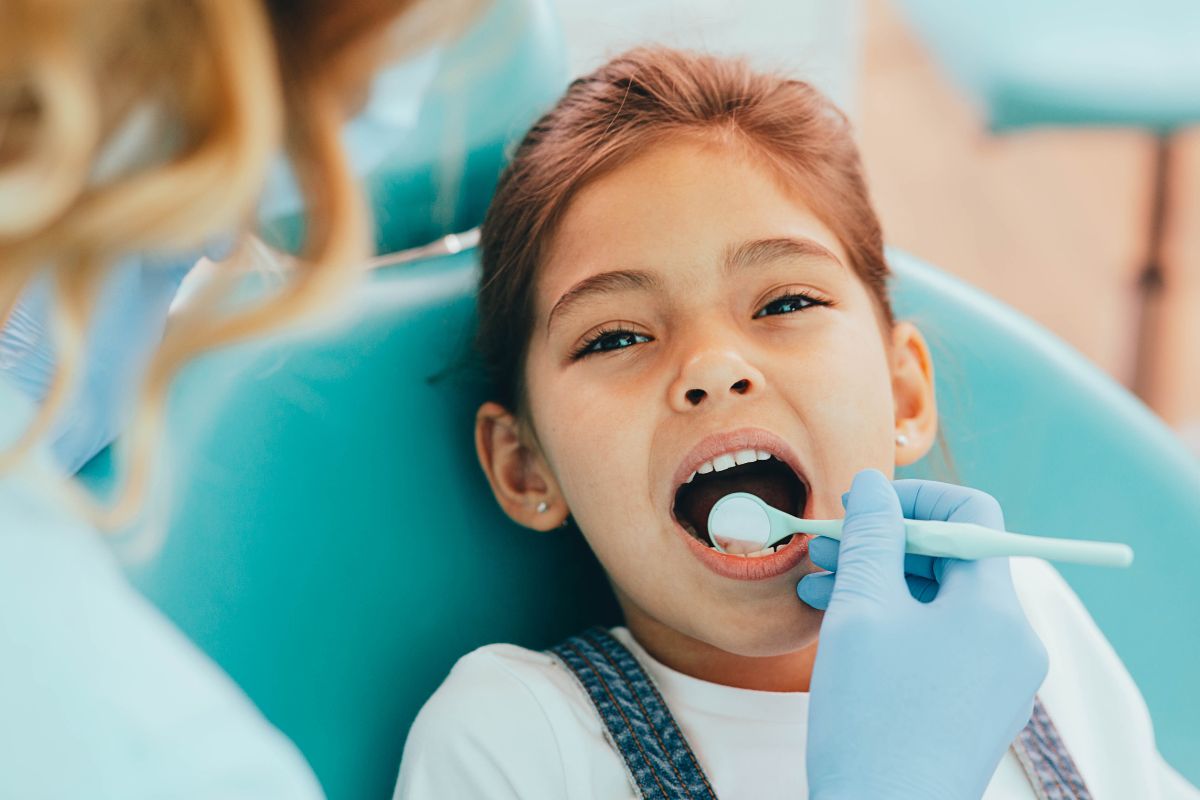
Cavities don’t always begin with tooth pain. In many cases, tooth decay develops quietly, showing few or no noticeable symptoms until treatment becomes more extensive. That’s why preventive dental care plays such an important role in protecting children’s oral health. For parents in Lawrence, NY, regular dental checkups help detect concerns early, keep developing smiles healthy, and reduce the likelihood of more complex dental treatment later.
Routine dental visits involve much more than simply cleaning teeth. They allow dentists to monitor your child’s oral development, remove plaque and tartar that brushing alone cannot eliminate, and identify potential problems before they become painful or costly to treat. Whether your child has a full set of baby teeth or is beginning to develop permanent teeth, preventive care supports healthy growth at every stage.
At Long Island Pediatric Dentistry, children receive gentle, age-appropriate dental care designed to help them feel comfortable while building healthy habits that can last a lifetime.
Why Routine Dental Checkups Matter
Many dental problems begin long before children notice any discomfort. Cavities, weakened enamel, and even bite concerns often develop gradually, making regular examinations one of the best ways to protect your child’s oral health.
Scheduling routine dental visits every six months allows your pediatric dentist to monitor changes as your child grows while helping prevent common dental issues before they require restorative treatment.
Some of the biggest benefits of regular dental checkups include:
- Detecting cavities before they become painful.
- Removing plaque and tartar that daily brushing cannot eliminate.
- Monitoring healthy tooth and jaw development.
- Strengthening enamel with preventive treatments.
- Reinforcing proper brushing and flossing habits.
- Helping children become comfortable with routine dental care.
Preventive visits not only protect your child’s teeth today but also establish healthy habits that support lifelong oral health.
Prevent Cavities Before They Develop
Tooth decay remains one of the most common childhood dental conditions, yet it is also one of the most preventable.
After eating, naturally occurring bacteria in the mouth feed on sugars and starches left behind on the teeth. These bacteria produce acids that gradually weaken tooth enamel. Over time, repeated acid attacks can lead to cavities if plaque isn’t removed effectively.
Even children who brush regularly can develop plaque and tartar in hard-to-reach areas. Professional dental cleanings remove these deposits before they contribute to tooth decay or gum irritation.
Routine preventive care, combined with good oral hygiene at home, helps lower the risk of cavities while keeping your child’s smile healthy and strong.
Early Detection Makes Treatment Simpler
One of the greatest advantages of regular dental examinations is the ability to identify small problems before they become larger ones.
Many early cavities develop without causing noticeable pain. By the time a child experiences discomfort, the decay may already require more extensive treatment.
During a routine examination, your pediatric dentist carefully evaluates:
- Early signs of tooth decay
- Weak or thinning enamel
- Plaque accumulation
- Gum health
- Tooth eruption patterns
- Bite alignment
- Jaw development
Finding these concerns early often allows for more conservative treatment while preserving healthy tooth structure and reducing the chance of future complications.
What Happens During Your Child’s Routine Dental Checkup?
Every preventive appointment is tailored to your child’s age, dental development, and individual oral health needs. The goal is to create a comfortable experience while providing a thorough evaluation of their growing smile.
A routine dental visit typically includes several important steps.
Professional Dental Cleaning
A dental hygienist carefully removes plaque and tartar before polishing your child’s teeth to create smooth, clean surfaces that are easier to maintain at home.
Professional cleanings reach areas that toothbrushes and floss often cannot, helping reduce the risk of cavities and gum inflammation.
Comprehensive Dental Examination
Following the cleaning, the dentist performs a detailed examination of your child’s teeth, gums, bite, and surrounding oral tissues.
This evaluation helps monitor:
- Overall oral health
- Signs of cavities
- Tooth alignment
- Jaw growth
- Gum condition
- Changes in tooth development
Monitoring these areas during routine visits helps ensure healthy development as your child grows.
Digital X-Rays When Necessary
Depending on your child’s age and dental history, digital X-rays may be recommended to provide a clearer view of areas that cannot be seen during a visual examination.
These images help detect:
- Cavities between teeth
- Developing permanent teeth
- Bone health
- Tooth positioning
- Hidden dental concerns
Digital X-rays use minimal radiation while providing detailed information that supports accurate diagnosis and treatment planning.
Personalized Preventive Guidance
Every child has different oral health needs. During each appointment, parents receive personalized recommendations based on their child’s age, oral development, and risk factors.
This guidance may include:
- Proper brushing techniques
- Flossing recommendations
- Healthy dietary choices
- Fluoride use
- Managing thumb sucking or pacifier habits
- Tips for preventing cavities at home
These practical recommendations help families continue protecting their child’s smile long after leaving the dental office.