
Please ensure Javascript is enabled for purposes of website accessibility Skip to main content Skip to main content

Parents Often Ignore These Early Warning Signs of Jaw Problems

by | Jun 26, 2026 | Emergency Dental Care

Children often experience bumps, falls, and everyday accidents while playing, learning, and growing. While a scraped knee or bruised elbow is easy to notice, jaw problems can be much harder to recognize. In many cases, the early symptoms are subtle and may be mistaken for temporary discomfort or a normal part of development.

Ignoring these warning signs can allow minor problems to become more uncomfortable over time, affecting your child’s ability to eat, speak, or open and close their mouth comfortably. Knowing what to watch for can help parents seek care before a small concern becomes a more serious issue.

What are the early warning signs of jaw problems in children?

Early warning signs may include jaw pain, clicking or popping sounds, difficulty chewing, limited mouth opening, swelling around the jaw, facial pain, or complaints that the jaw feels “stuck.” Persistent symptoms should be evaluated by a dental professional to determine the underlying cause.

Why Jaw Health Is Important for Growing Children

A child’s jaw plays an important role in everyday activities, including eating, speaking, breathing, and proper tooth development.

As children grow, their jaws continue to develop alongside their teeth and facial bones. When jaw problems develop, they may interfere with normal function and, in some cases, affect how permanent teeth erupt or how the bite fits together.

Early evaluation allows potential concerns to be identified before they progress.

Common Early Warning Signs Parents Shouldn’t Ignore

Some symptoms may appear only occasionally, while others become more noticeable over time.

If your child experiences any of the following, it’s worth paying closer attention.

Jaw Pain or Tenderness

Children don’t always describe pain clearly.

Instead of saying their jaw hurts, they may avoid certain foods, chew on only one side of the mouth, or complain that their face feels sore.

Pain that continues for more than a few days shouldn’t be ignored.

Clicking or Popping Sounds

A clicking or popping sound when opening or closing the mouth doesn’t always indicate a serious problem, but it shouldn’t be dismissed if it happens regularly.

If these sounds occur along with discomfort or limited jaw movement, a professional evaluation is recommended.

Difficulty Chewing Food

If your child suddenly avoids foods they previously enjoyed or complains that chewing feels uncomfortable, the jaw may not be functioning properly.

Watch for signs such as:

  • Eating more slowly than usual.
  • Chewing on one side only.
  • Avoiding crunchy or chewy foods.
  • Complaining of discomfort while eating.

These changes may indicate that the jaw needs to be examined.

Limited Mouth Opening

Children should generally be able to open their mouths comfortably for eating, brushing, and speaking.

If your child has difficulty opening their mouth fully or says their jaw feels stiff, it may signal inflammation, muscle tension, or another underlying issue.

Swelling Around the Jaw

Swelling should never be ignored, especially if it’s accompanied by pain or tenderness.

Swelling may result from:

  • An injury.
  • An infection.
  • An inflamed salivary gland.
  • A developing dental problem.

Prompt evaluation can help determine the cause and the appropriate treatment.

Could Teeth Grinding Affect the Jaw?

Yes.

Many children grind or clench their teeth, particularly during sleep. Occasional grinding may not cause lasting problems, but frequent grinding can place extra pressure on the jaw muscles and joints.

Parents may notice:

  • Morning jaw soreness.
  • Complaints of headaches.
  • Worn tooth edges.
  • Clicking sounds when opening the mouth.

If these symptoms occur regularly, discussing them during your child’s dental visit is a good idea.

Can Jaw Problems Affect Everyday Activities?

Absolutely.

Jaw discomfort can make simple daily activities more difficult than parents realize.

Early Warning Signs of Jaw Problems in Children include pain while chewing, shown by a young child experiencing tooth or jaw discomfort while eating fruit, highlighting the need for prompt pediatric dental evaluation.

Children with jaw problems may have trouble:

  • Chewing comfortably.
  • Speaking clearly.
  • Yawning without discomfort.
  • Brushing hard-to-reach teeth.
  • Opening their mouths fully during meals.

Recognizing these changes early can help prevent ongoing discomfort and support healthy jaw development as your child grows.
What Can Cause Jaw Problems in Children?

Jaw discomfort can develop for several reasons, and the cause isn’t always obvious. Some issues are temporary, while others require professional evaluation to prevent long-term complications.

Common causes include:

  • Falls or sports-related injuries
  • Teeth grinding or clenching
  • Bite alignment problems
  • Jaw joint (TMJ) disorders
  • Dental infections
  • Swollen salivary glands
  • Growth and developmental changes

Because many of these conditions share similar symptoms, a dental examination can help identify the underlying cause and determine the most appropriate treatment.

When Should Parents Seek Immediate Care?

Some jaw problems can wait for a scheduled dental appointment, while others require prompt attention.

You should seek immediate dental care if your child experiences:

  • Sudden jaw swelling
  • Difficulty opening or closing the mouth
  • Severe jaw pain
  • A jaw injury after a fall or sports accident
  • Bleeding inside the mouth after trauma
  • A loose or knocked-out permanent tooth
  • Trouble breathing or swallowing due to facial swelling

Prompt evaluation helps reduce the risk of further complications and ensures your child receives the care they need as quickly as possible.

How Are Jaw Problems Diagnosed?

When evaluating jaw discomfort, your dentist will perform a thorough examination to determine what’s causing the symptoms.

This may include:

  • Reviewing your child’s medical and dental history
  • Examining jaw movement
  • Checking the bite alignment
  • Evaluating the teeth and gums
  • Taking digital X-rays if needed
  • Assessing the jaw joints and surrounding muscles

An accurate diagnosis allows treatment to be tailored to your child’s specific needs.

Can Jaw Problems Be Prevented?

Not every jaw problem can be prevented, but healthy habits can reduce the risk of injury and support proper jaw development.

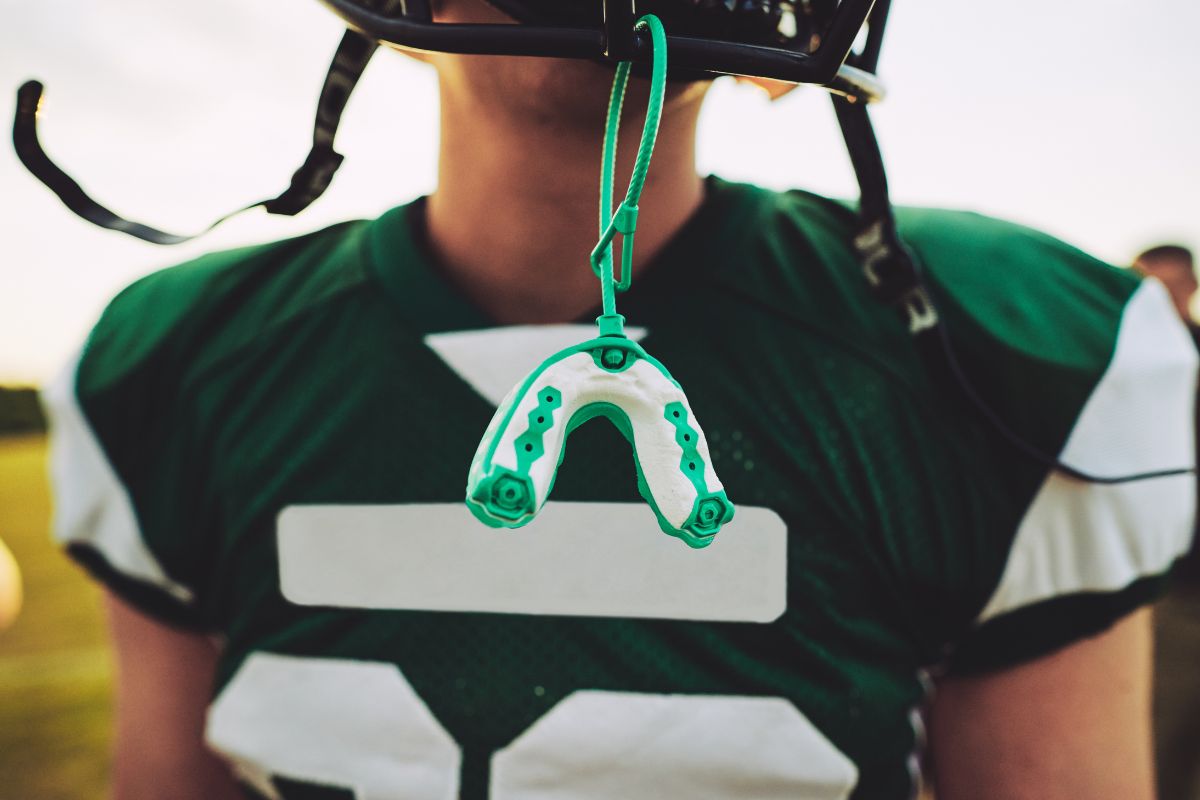
Early Warning Signs of Jaw Problems in Children shown by a young football player wearing a helmet with a protective mouthguard to help prevent jaw and dental injuries during sports.

Parents can help by encouraging their children to:

  • Wear a mouthguard during contact sports.
  • Avoid chewing on ice, pencils, or other hard objects.
  • Practice good daily oral hygiene.
  • Attend regular dental checkups.
  • Report jaw pain or clicking instead of ignoring it.
  • Seek evaluation after facial injuries.

Early attention to small symptoms often prevents larger problems later.

Why Early Treatment Makes a Difference

Children’s jaws continue to grow throughout childhood and adolescence.

Addressing jaw concerns early may help:

  • Relieve discomfort.
  • Improve chewing function.
  • Support healthy jaw development.
  • Protect developing teeth.
  • Reduce the risk of more complex treatment in the future.

Waiting for symptoms to worsen can make treatment more challenging, especially if an underlying dental condition is involved.

Protect Your Child’s Growing Smile

If your child has ongoing jaw pain, clicking, swelling, or difficulty chewing, don’t wait for the symptoms to become more serious. An early evaluation can help identify the cause and provide the appropriate treatment before the problem progresses.

At Long Island Pediatric Dentistry, we’re committed to helping children maintain healthy smiles in a comfortable, family-friendly environment. If your child experiences jaw pain following an injury or develops sudden swelling or difficulty opening the mouth, it may require a Pediatric Dental Emergency evaluation.

Schedule Your Child’s Appointment

If you’re concerned about your child’s jaw health or have noticed any of the warning signs discussed in this article, we’re here to help.

Call (516) 540-6319 to schedule your child’s appointment today.

Frequently Asked Questions

Can jaw pain in children go away on its own?

Minor jaw discomfort may improve with rest, but persistent pain, swelling, or difficulty moving the jaw should always be evaluated by a dental professional.

Why does my child’s jaw click when they open their mouth?

Occasional clicking isn’t always serious, but repeated clicking accompanied by pain, stiffness, or limited movement may indicate a jaw joint issue that should be examined.

Is teeth grinding related to jaw pain?

Yes. Frequent teeth grinding or clenching can place excessive pressure on the jaw muscles and joints, leading to soreness, headaches, and jaw discomfort.

Can a fall cause jaw problems in children?

Yes. Falls, sports injuries, or other facial trauma can affect the jaw, teeth, or surrounding tissues. Any persistent pain or swelling after an injury should be evaluated promptly.

When should I worry about my child’s jaw pain?

Seek professional care if jaw pain lasts more than a few days, worsens over time, is associated with swelling, limits mouth opening, or occurs after an injury.