
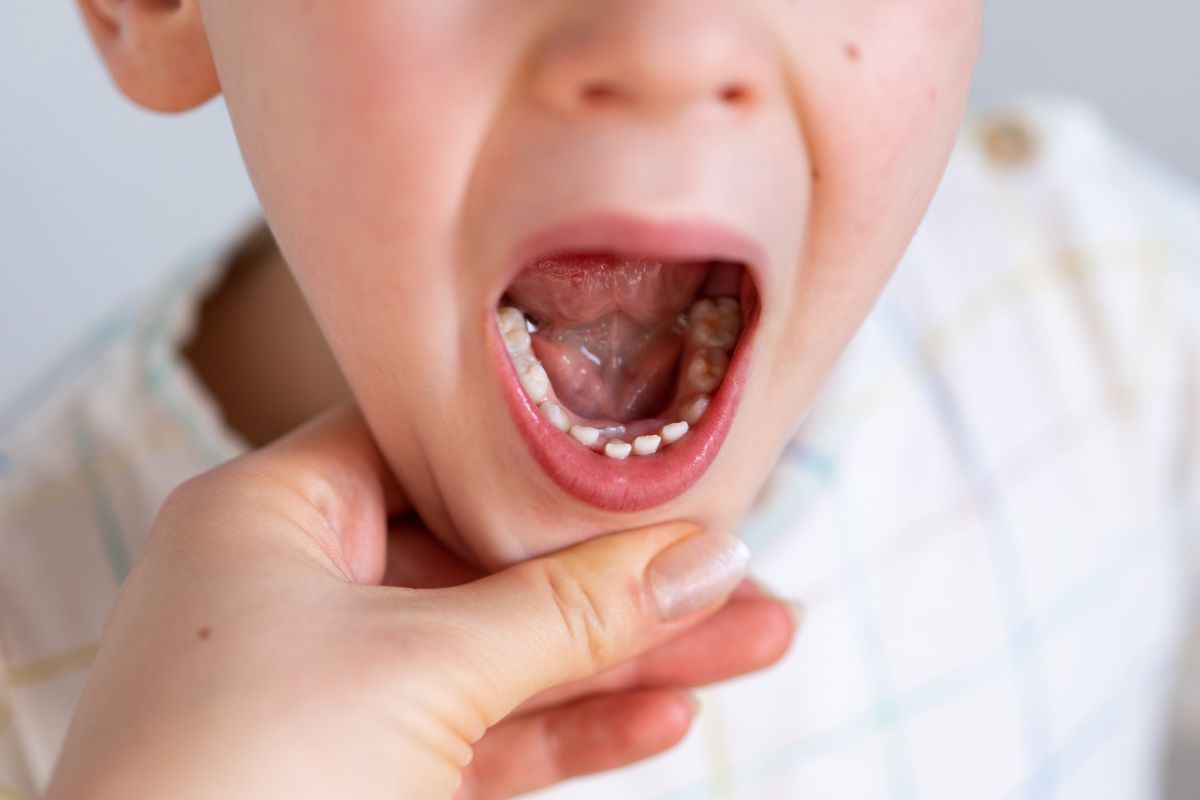
What happens if you notice a cavity in your child’s baby tooth but decide to wait because that tooth will eventually fall out? This is a question many parents ask. Baby teeth are temporary, but they have important jobs during childhood. They help children chew, speak clearly, and maintain space for the development of permanent teeth.
Dr. Akhavan often evaluates cavities based on their size, depth, symptoms, and how long the affected tooth needs to remain in place. A small cavity may cause few noticeable symptoms at first. However, untreated tooth decay can continue through the enamel and reach deeper parts of the tooth. Early evaluation can determine whether pediatric dental fillings in Lawrence can preserve the tooth before more extensive care becomes necessary.
Do Cavities in Baby Teeth Really Need Treatment?
Yes, many cavities in baby teeth require treatment even though those teeth eventually fall out. A primary tooth may remain in a child’s mouth for several years after a cavity develops.
Baby teeth also act as natural space holders for permanent teeth. Losing one too early may allow neighboring teeth to shift into the open space. That can reduce the room available when the permanent tooth begins to erupt.
Not every cavity requires the same approach. A dentist considers the tooth involved, depth of decay, symptoms, and expected time before natural tooth loss.
What Happens When a Baby Tooth Cavity Gets Worse?
Tooth decay does not remain at the same stage indefinitely. Bacteria in dental plaque produce acids that damage tooth structure. Once a true cavity forms, the damaged area can become larger without restorative treatment.
As decay progresses, a child may develop:
- Sensitivity to cold, sweets, or certain foods
- Pain when biting or chewing
- Food trapping around the damaged tooth
- Visible brown or dark areas
- Persistent toothache
- Gum swelling near the affected tooth
One concern is that pain does not always reflect the severity of decay. A child can have significant tooth damage before reporting a toothache.

Can an Untreated Cavity in a Baby Tooth Cause an Infection?
Yes, deep decay can eventually reach the pulp, the soft inner portion of the tooth that contains nerves and blood vessels. Once bacteria reach this area, inflammation or infection may develop.
An advanced infection can lead to an abscess near the tooth. Facial or gum swelling, fever, significant pain, or a pimple-like bump on the gums requires prompt professional attention.
This progression also explains why timing matters. A cavity that might initially qualify for a pediatric dental filling may require pulp treatment, a crown, or extraction if substantial decay develops. The practice similarly advises that untreated decay can eventually require more extensive dental treatment.
Can a Cavity Affect Eating, Sleep, and Daily Activities?
A painful tooth can make everyday activities difficult for a young child. Some children begin chewing only on the opposite side or avoid harder foods. Others become sensitive to cold drinks or sweet foods.
Nighttime tooth pain may also interfere with sleep. Younger children cannot always explain exactly where they hurt. Changes in eating habits, unexplained mouth discomfort, or reluctance to brush one area deserve attention.
Parents who notice these changes can contact us rather than waiting for visible damage or severe pain to occur.
How Do Pediatric Dental Fillings Help Save Baby Teeth?
A dental filling restores tooth structure after the dentist removes the decayed portion of a tooth. Its purpose is to repair the cavity and help the tooth continue functioning normally.
For a cavity that has not progressed too deeply, pediatric dental fillings can help preserve the primary tooth until it is ready to fall out naturally. The dentist first examines the affected tooth and determines the extent of the decay.
A trusted pediatric dentist in Lawrence can also assess whether a filling is appropriate or whether another treatment would better protect the tooth. This distinction matters because treatment decisions should be based on the clinical condition of the tooth rather than its appearance alone.
Can You Wait If the Baby Tooth Will Fall Out Soon?
Sometimes monitoring may be appropriate, but parents should not make that decision solely because the tooth is temporary. The expected eruption of the permanent tooth and the depth of decay both affect the treatment decision.
For example, a very small lesion in a tooth close to natural exfoliation may require a different approach than a cavity in a baby molar expected to remain for years. Dental X-rays may help determine the extent of decay and assess the tooth’s roots.
An examination allows the dentist to decide whether monitoring, preventive care, pediatric dental fillings, or another restoration is clinically appropriate.
How Can Parents Prevent New Cavities After a Filling?
Treating one cavity does not remove the factors that allowed tooth decay to develop. Daily prevention remains important after restorative treatment.
Parents can help by:
- Brush their child’s teeth twice daily with fluoride toothpaste appropriate for their age.
- Helping with brushing until the child can clean every tooth effectively.
- Cleaning between teeth where toothbrush bristles cannot reach.
- Limiting frequent exposure to sugary drinks and snacks.
- Keeping regular dental exams and professional cleanings.
Routine dental care also allows early enamel changes to be identified before they develop into larger cavities.
Protect a Baby Tooth Before Decay Becomes More Complex
A cavity in a baby tooth deserves professional evaluation, even when your child has no pain. Early assessment helps determine how deep the decay has progressed and whether the tooth can be restored with a relatively straightforward treatment.
If you have noticed a cavity, sensitivity, discoloration, or changes in your child’s eating habits, visit our dental office for an evaluation. At Long Island Pediatric Dentistry, we can assess the tooth and explain the appropriate next step based on your child’s needs. Schedule an appointment to learn whether pediatric dental fillings in Lawrence can help restore your child’s tooth and keep it functional until its natural time to fall out.
Frequently Asked Questions
Can A Small Cavity In A Baby Tooth Heal On Its Own?
Very early enamel mineral loss may sometimes be managed with preventive measures, but an established cavity with lost tooth structure cannot simply grow back. A dentist needs to determine the stage of decay. If a restoration is needed, pediatric dental fillings may prevent further structural damage and help preserve the tooth.
How Quickly Can A Cavity In A Baby Tooth Get Worse?
There is no single timeline because cavity progression depends on diet, oral hygiene, fluoride exposure, tooth anatomy, and other factors. Primary teeth have thinner enamel than permanent teeth, so decay can reach deeper structures sooner than parents may expect. Schedule a dental examination rather than relying on pain as a signal that treatment is needed.
Does Every Cavity In A Child Need A Filling?
No. Treatment depends on the stage of decay, the affected tooth, symptoms, and how soon that tooth should fall out naturally. Very early lesions may sometimes qualify for preventive management. More advanced cavities may need restorative care. A dental examination helps determine the appropriate approach before the decay progresses further.
What Happens If My Child Is Scared Of Getting A Cavity Treated?
Dental anxiety is common among children, particularly when they have never had restorative treatment. Tell the dental team about your child’s concerns before the appointment. Pediatric dental teams can explain procedures in age-appropriate language and use behavior-guidance techniques to make treatment easier. Delaying necessary care because of anxiety can allow the cavity to become more complex.
When Should I Take My Child To The Dentist For A Suspected Cavity?
Arrange an examination when you notice a dark spot, visible hole, sensitivity, food trapping, or discomfort while chewing. Do not wait for severe pain. Seek prompt attention for swelling, fever, significant tooth pain, or signs of an abscess. Early evaluation gives the dental team more information and may allow for a less extensive treatment approach.