
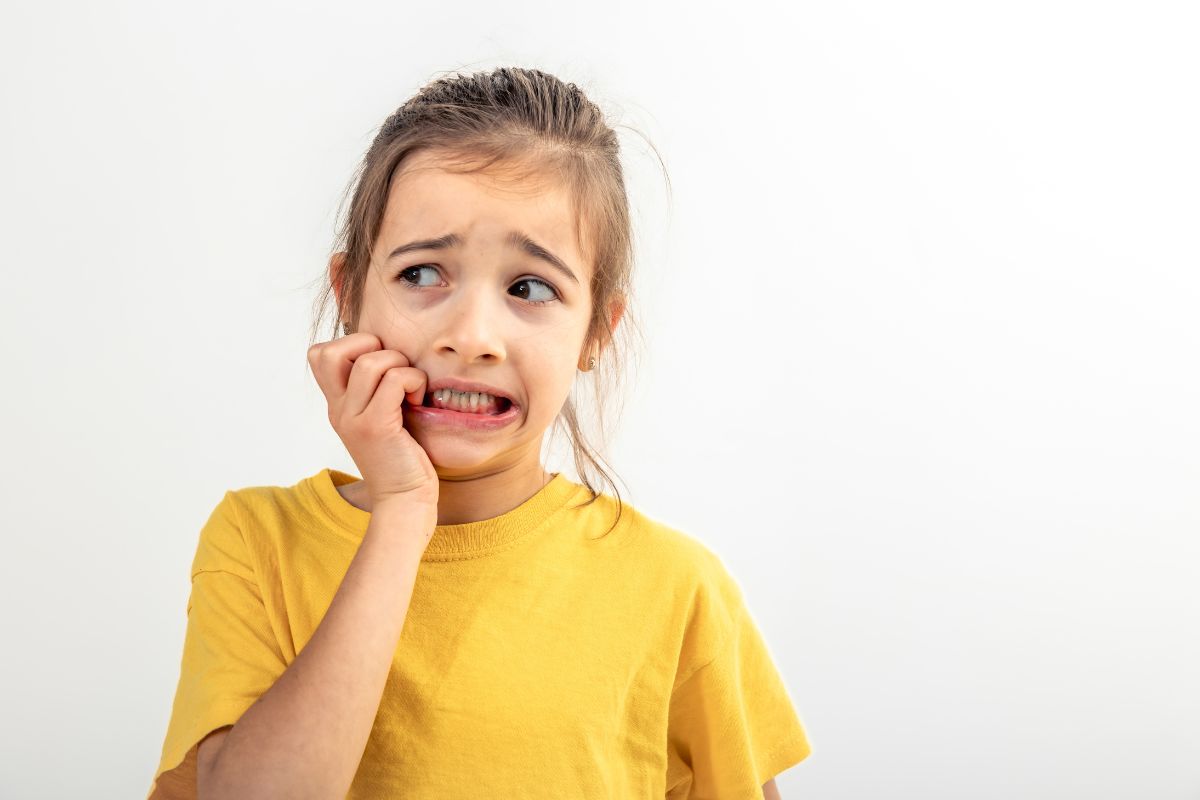
A dental filling can sometimes fall out while a child is eating, brushing, or playing, and it can leave parents unsure about what to do next. A lost filling does not always mean there is a serious problem, but the exposed tooth may become sensitive or vulnerable to further damage. Knowing how to respond can help protect your child’s tooth until it can be examined.
If your child develops tooth pain after a filling falls out and you live in Lawrence, NY, prompt dental attention can help determine whether the tooth simply needs a new filling or requires additional care. Long Island Pediatric Dentistry provides pediatric dental care for children in the local community and can evaluate a filling that has become loose, damaged, or fallen out.
What Should You Do If Your Child’s Filling Falls Out?
If your child’s filling falls out, gently clean the mouth, keep the child from chewing on the affected tooth, and contact the dental office for advice. The appropriate next step depends on the type of filling, the condition of the tooth, and whether your child has symptoms.
Check Your Child’s Mouth
Look at the area without poking or pressing on the tooth. Check whether there is bleeding, swelling, a visible hole, or a piece of filling still attached.
If your child swallowed the filling, there is generally no reason to panic. However, tell the dental professional what happened.
Rinse Gently
Have your child rinse with water to remove food particles. Younger children should be supervised so they do not accidentally swallow the rinse.
Save the Filling If You Can
If you find the filling, keep it in a clean container and bring it to the appointment. The dentist may want to examine it to help understand what happened.
Watch for Symptoms
Pay attention to whether your child develops sensitivity or discomfort when eating, drinking, or biting.
What Should Your Child Avoid After a Filling Falls Out?
Until the tooth has been evaluated, try to keep pressure off the affected area.
Your child should avoid:
- Hard candy
- Chewing ice
- Sticky foods
- Very crunchy snacks
- Biting directly on the affected tooth
- Extremely hot or cold foods if they cause discomfort
Do not try to glue the filling back into place. Household adhesives are not appropriate for use inside a child’s mouth.
Why Do Children’s Fillings Fall Out?
A filling can become loose for several reasons. A lost filling does not necessarily mean that something went wrong with the original treatment.
Possible reasons include:
Normal Wear
Dental fillings experience repeated chewing forces. Over time, a restoration can wear down or become less secure.
New Decay
Decay can develop around an existing filling and weaken the tooth structure supporting it.
A Large Filling
If a significant amount of tooth structure was previously affected by decay, the remaining tooth may have less natural support around the restoration.
Chewing Forces
Hard or sticky foods can place considerable force on a restoration.
Changes in the Tooth
A tooth can crack or fracture, which may affect the stability of an existing filling.
The dentist needs to examine the tooth to determine which of these factors may be involved.
What Happens to the Tooth After a Filling Comes Out?
A filling replaces tooth structure that was lost because of decay or damage. When the restoration comes out, part of the tooth may once again be exposed.
Your child may notice:
- Sensitivity to cold
- Sensitivity to sweets
- Food getting stuck in the area
- Discomfort when biting
- A rough or sharp edge
Not every child will experience symptoms immediately.
Can a Child Have a Dental Problem Without Pain?
Yes. A child may have a dental problem even when the tooth does not hurt. Children can sometimes have decay or structural damage without clearly communicating symptoms, particularly when the problem is developing gradually.
For that reason, a missing filling should still be evaluated even if your child seems completely comfortable.
Is a Lost Filling a Pediatric Dental Emergency?
A lost filling is not automatically a dental emergency, but certain symptoms can make the situation more urgent.
Contact a pediatric dental office promptly if your child has:
- Significant or worsening tooth pain
- Facial swelling
- Swelling around the gums
- Fever associated with dental symptoms
- A broken or severely damaged tooth
- Bleeding that does not stop
- Difficulty opening the mouth
- Signs of infection
If your child has difficulty breathing or swallowing because of swelling, seek emergency medical care immediately.
For parents searching online for a pediatric dental emergency near me, knowing these warning signs can help distinguish a situation that needs urgent attention from one that can be handled with a regular dental evaluation.
What If Your Child Has No Pain?
A painless lost filling may not require emergency treatment, but it still deserves attention.
The exposed tooth can be more vulnerable to food accumulation, sensitivity, and additional damage. More importantly, the reason the filling came out may need to be addressed.
A dentist may determine that the tooth only needs a replacement filling. In other cases, the tooth may require additional treatment because decay or structural damage has developed.
What Will the Pediatric Dentist Check?
The goal of the appointment is to determine both what happened to the filling and what condition the tooth is in now.
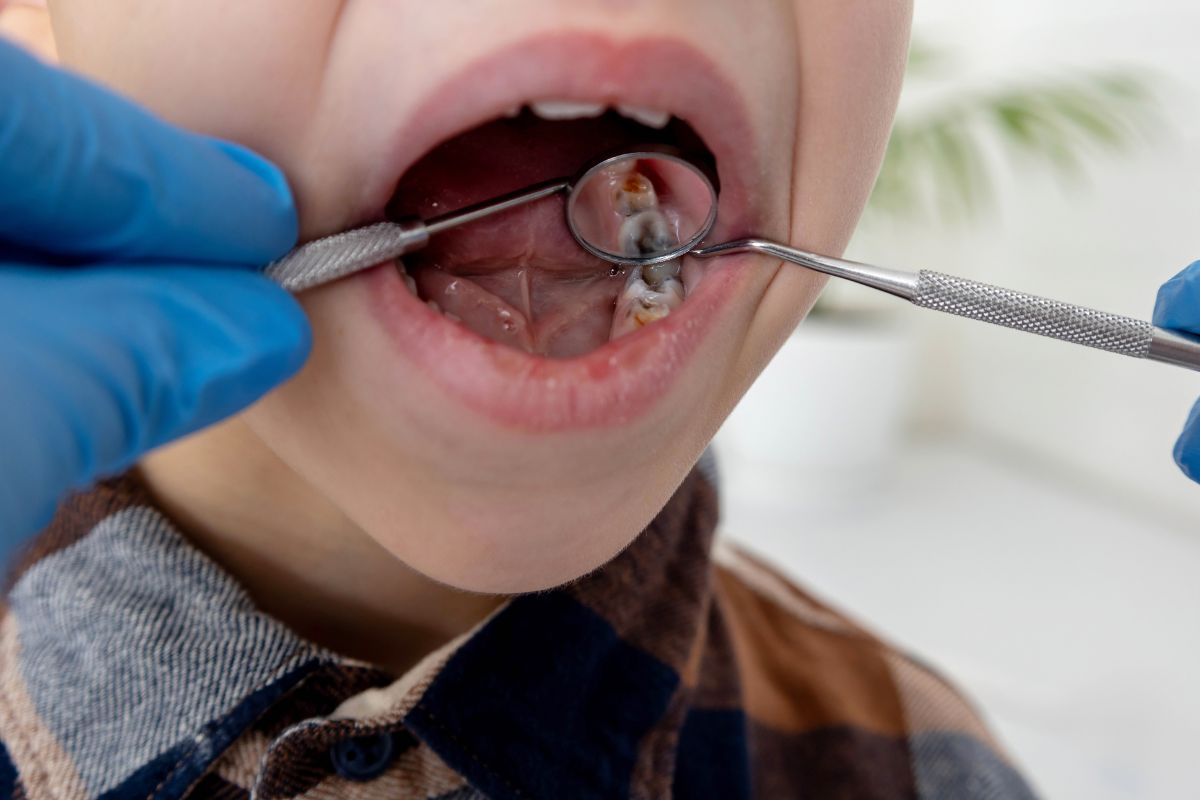
The dentist may examine:
The Remaining Tooth Structure
They will check whether the tooth is intact or whether additional pieces have broken away.
The Area Around the Filling
The dentist may look for new decay, food trapping, gum irritation, or other changes.
The Restoration
If the filling was recovered, it can be examined for signs of fracture or wear.
The Child’s Symptoms
Pain, sensitivity, swelling, and discomfort while chewing can provide useful information about the condition of the tooth.
Depending on the findings, the dentist may recommend a new filling or another treatment.
What Treatment Might Be Needed?
The treatment depends on why the filling came out and how much healthy tooth remains.
Possible options can include:
- Replacing the filling
- Repairing the affected area
- Treating additional decay
- Using another type of restoration
- Providing treatment for a damaged or infected tooth
For baby teeth, the recommended treatment can also depend on how much longer the tooth is expected to remain in the mouth and its overall condition.
This is why replacing the filling without examining the tooth first is not always the best approach.
How Can You Help Prevent Another Filling From Falling Out?
Once the tooth has been restored, your child can continue normal oral hygiene unless the dentist provides different instructions.
Helpful habits include:
- Brushing twice daily with fluoride toothpaste
- Cleaning between teeth as recommended
- Limiting frequent sugary snacks and drinks
- Avoiding chewing on very hard objects
- Attending recommended dental visits
- Encouraging children to tell an adult when a tooth feels different
Children may also need help with brushing until they develop the coordination to clean their teeth effectively on their own.
What Should You Do Right Now?
If your child’s filling has just fallen out, stay calm and focus on protecting the affected tooth.
Have your child rinse gently with water, avoid chewing on that side, and keep the filling if you found it. Then contact a pediatric dental professional for guidance, particularly if pain, swelling, or other concerning symptoms are present.
Conclusion
A lost filling can be unsettling for both children and parents, but it does not automatically mean that the tooth has suffered serious damage. The key is to avoid further irritation and have the tooth evaluated so the cause can be identified.
If your child has tooth pain or another concerning symptom after losing a filling and you are looking for a pediatric dental emergency near me in the Lawrence area, call (516) 540-6319 for assistance.
Frequently Asked Questions
1. Can my child brush after a filling falls out?
Yes, gentle brushing can usually continue. Encourage your child to clean the area carefully without pressing aggressively on the exposed tooth.
2. What if my child accidentally swallows the filling?
A small filling that is accidentally swallowed generally passes through the digestive system. Let the dental office know what happened, particularly if your child develops any unusual symptoms.
3. Can a baby tooth be refilled after the filling falls out?
Sometimes. The dentist will consider the condition of the tooth, the amount of remaining tooth structure, and how long the baby tooth is expected to remain before recommending treatment.
4. Why does my child’s tooth hurt after the filling fell out?
The exposed tooth may become sensitive to temperature, pressure, or food. Pain can also indicate deeper decay or damage, so persistent or significant discomfort should be evaluated.
5. Should I put cotton over the missing filling?
You generally do not need to place cotton into the opening. Instead, keep the area clean, avoid chewing directly on it, and follow the instructions provided by your child’s dental professional.