
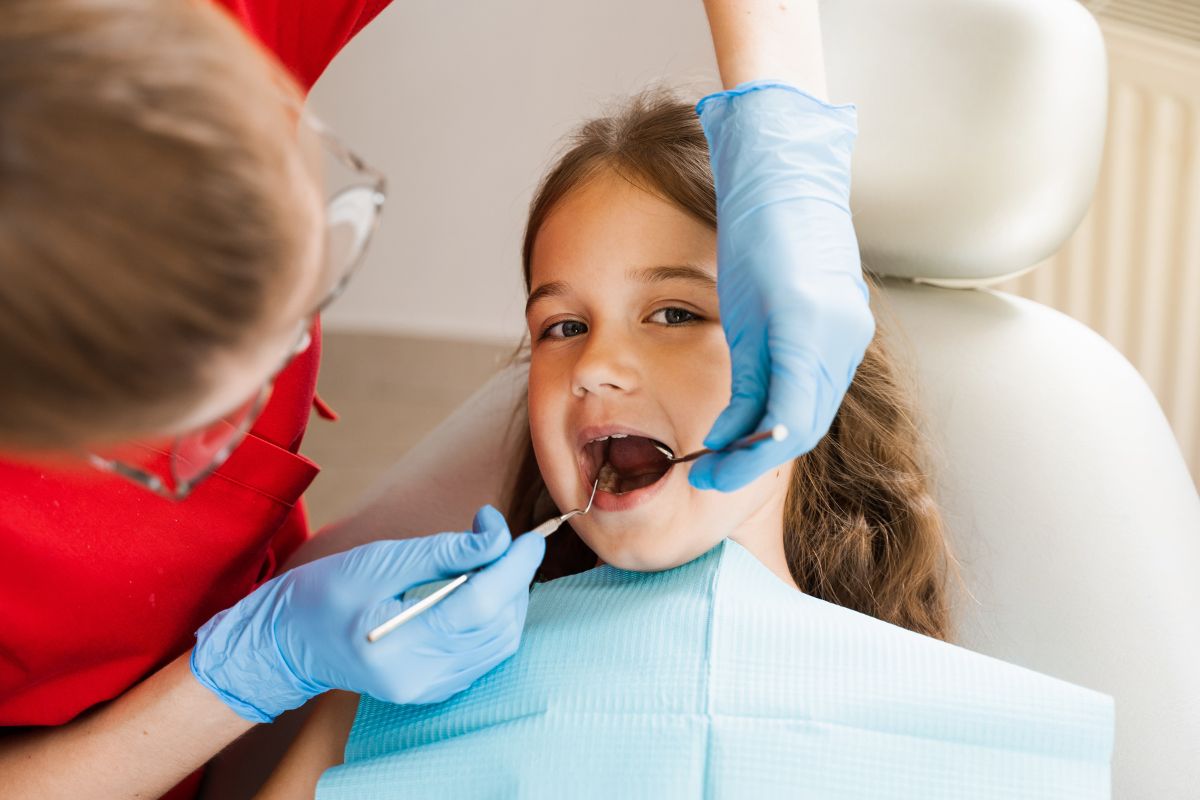
Parents do their best to help their children maintain healthy teeth, but cavities can still happen. Between school lunches, after-school snacks, and busy daily routines, it’s not always easy to keep a close eye on every change in your child’s oral health. Sometimes small dental issues can develop quietly before children even mention discomfort.
One of the most common treatments pediatric dentists provide is a dental filling, which helps repair a tooth damaged by decay. Fillings restore the tooth’s structure and prevent the cavity from getting worse. The earlier a cavity is detected, the simpler the treatment usually is.
Knowing the warning signs can help parents take action early and protect their child’s smile.
Tooth Sensitivity
One of the earliest signs your child may need a filling is tooth sensitivity. Children might complain that certain foods or drinks make their teeth feel uncomfortable.
Sensitivity may occur when eating or drinking:
- Cold foods like ice cream
- Hot foods like soup
- Sweet snacks or candy
- Juices or sugary drinks
If your child frequently avoids certain foods or mentions that their teeth feel “funny” when eating, it could be a sign that the enamel has weakened and a cavity is forming.
Complaints of Tooth Pain
Children sometimes struggle to describe dental pain clearly. They may simply say their tooth “hurts” or point to one side of their mouth.
Common signs of tooth pain include:
- Sudden discomfort while chewing
- Complaints of a toothache before bed
- Avoiding chewing on one side of the mouth
- Increased irritability during meals
Even mild or occasional pain can indicate a cavity developing inside the tooth.
Visible Dark Spots or Holes
Parents may occasionally notice changes in the appearance of their child’s teeth during brushing or flossing.
Look for:
- Brown, black, or dark spots on the tooth surface
- Small holes or pits in the enamel
- Rough areas that were previously smooth
These visible changes often indicate tooth decay that may require a filling to prevent further damage.
Food Getting Stuck in the Same Spot
If food repeatedly gets stuck between the same teeth, it could signal a small cavity forming. As tooth decay progresses, it can create tiny spaces where food particles collect.
You might notice:
- Your child picking at the same tooth
- Food consistently trapped in one area
- Complaints that something feels “stuck” in their tooth
When this happens frequently, it’s a good idea to have the tooth checked by a dentist.
Bad Breath That Doesn’t Go Away
Occasional bad breath in children is normal, especially after certain foods. However, persistent bad breath that doesn’t improve with brushing may indicate bacteria buildup caused by tooth decay.
Signs to watch for include:
- Breath odor returning quickly after brushing
- A bad taste in the mouth
- Ongoing plaque buildup on certain teeth
Cavities create areas where bacteria thrive, which can lead to unpleasant odors.
Tooth Sensitivity While Brushing

Sometimes children react when brushing a particular tooth. They may pull away, say the toothbrush hurts, or avoid brushing certain areas.
Possible signs include:
- Flinching while brushing
- Complaining when toothpaste touches a tooth
- Skipping certain teeth during brushing
This discomfort can be a sign that the enamel has weakened or that decay is present.
Swelling or Gum Irritation Near a Tooth
Although cavities usually affect the tooth itself, they can sometimes irritate the surrounding gums.
Watch for:
- Redness around a specific tooth
- Mild swelling of the gumline
- Tenderness when brushing
These symptoms may indicate bacteria accumulating around a decayed area.
Your Child Hasn’t Had a Dental Checkup in a While
Many cavities develop without obvious symptoms at first. This is why regular dental checkups are so important for children.
During routine visits, pediatric dentists can:
- Detect cavities early using visual exams and X-rays
- Recommend preventive treatments
- Monitor developing teeth
Early detection often means smaller fillings and easier treatment for your child.
Why Early Treatment Matters
If cavities are left untreated, they can grow larger and cause more serious dental problems. Early treatment with a filling helps:
- Stop tooth decay from spreading
- Restore the tooth’s normal shape and function
- Prevent pain and infection
- Protect your child’s developing smile
Modern pediatric dental fillings are safe, comfortable, and designed to match the natural color of the tooth.
Help Protect Your Child’s Smile
Cavities are common during childhood, but recognizing the signs early can make a big difference. Paying attention to small changes in your child’s teeth, eating habits, or comfort levels can help you catch problems before they worsen.
If you notice any of these warning signs, it may be time for a dental evaluation.
Contact Long Island Pediatric Dentistry today to schedule your child’s appointment and ensure their smile stays healthy and strong.
FAQs
- How do I know if my child needs a dental filling?
Signs include tooth sensitivity, pain, visible dark spots or holes, food getting stuck, and persistent bad breath. - Are dental fillings safe for children?
Yes, modern pediatric fillings are safe, durable, and designed to match the natural color of your child’s teeth. - Will my child feel pain during a filling procedure?
Most fillings are comfortable, as dentists use gentle techniques and local anesthesia to minimize any discomfort. - Can cavities go away without a filling?
No, once a cavity forms, it cannot heal on its own and typically requires a filling to prevent further decay.